
Air and Space Forces Magazine — During Space Symposium, Air Force Secretary Troy Meink said the service recently issued a baseline indefinite delivery, indefinite quantity contract for space-based air moving target indication to multiple providers.
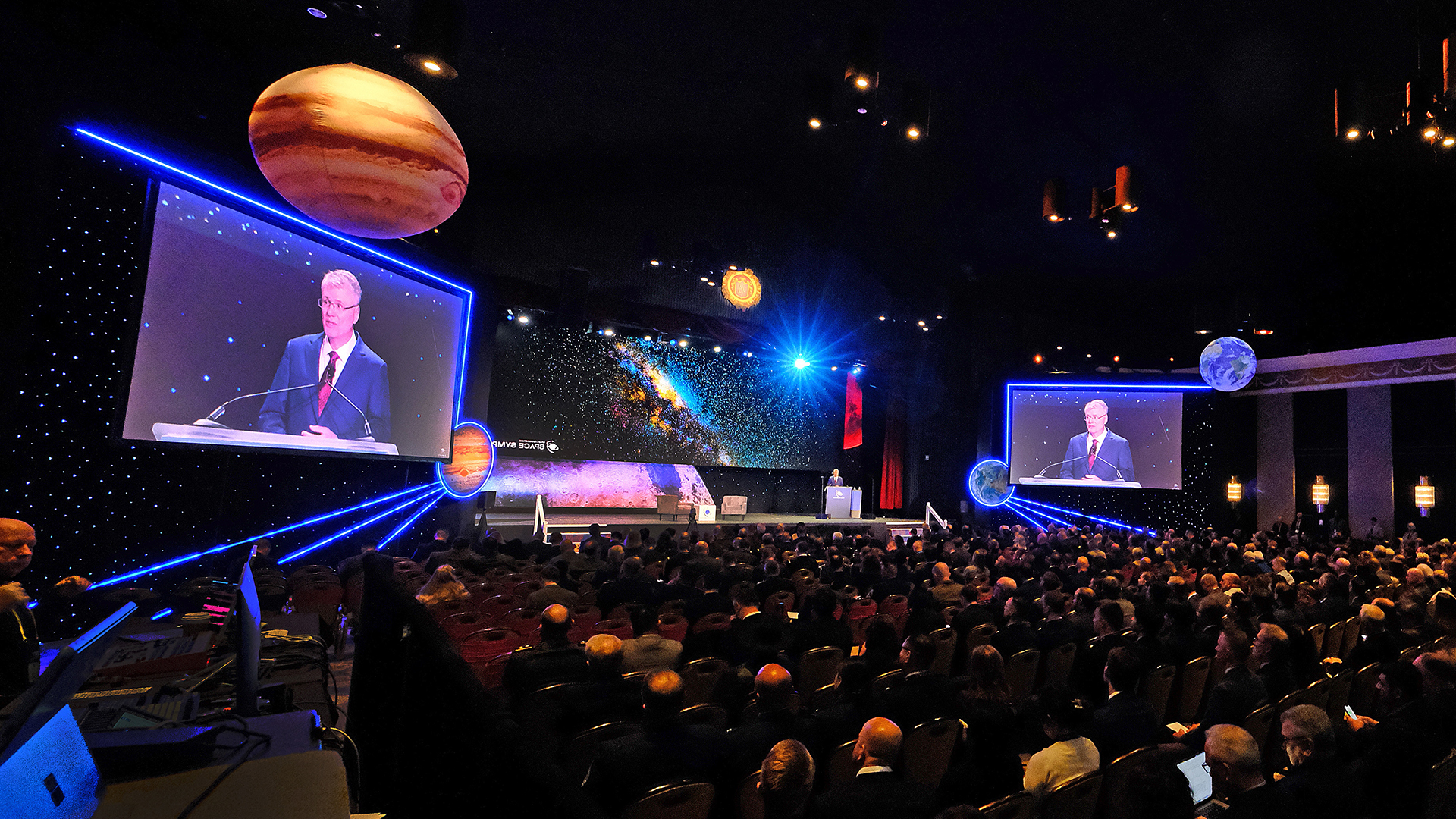
Air and Space Forces Magazine — During Space Symposium, Air Force Secretary Troy Meink said the service recently issued a baseline indefinite delivery, indefinite quantity contract for space-based air moving target indication to multiple providers.
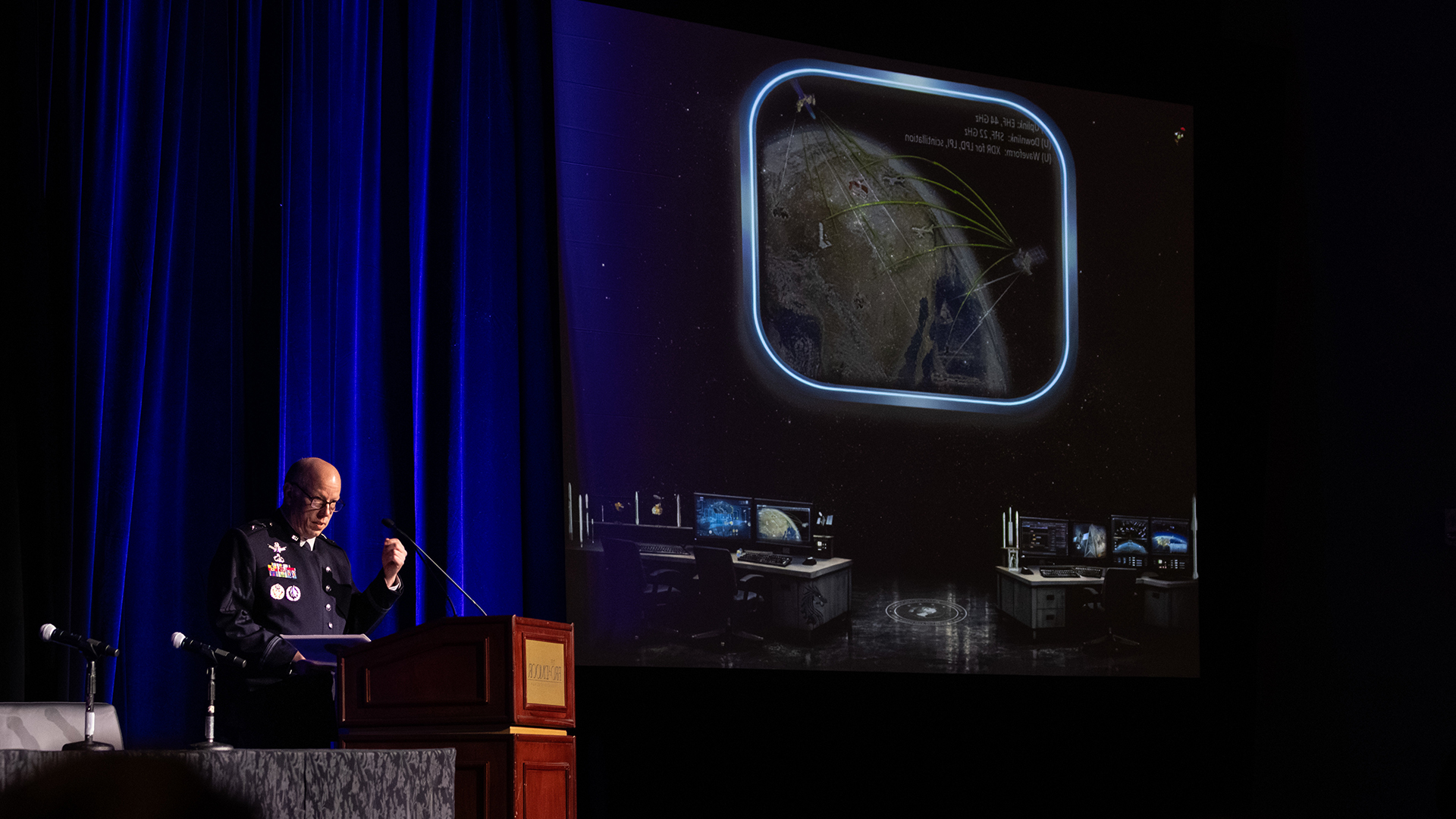
U.S. Space Force — Purdy emphasized the importance of accelerating acquisition models, noting that space acquisition processes have pivoted from planning to doing and are keenly focused on delivering integrated, resilient warfighting capabilities.
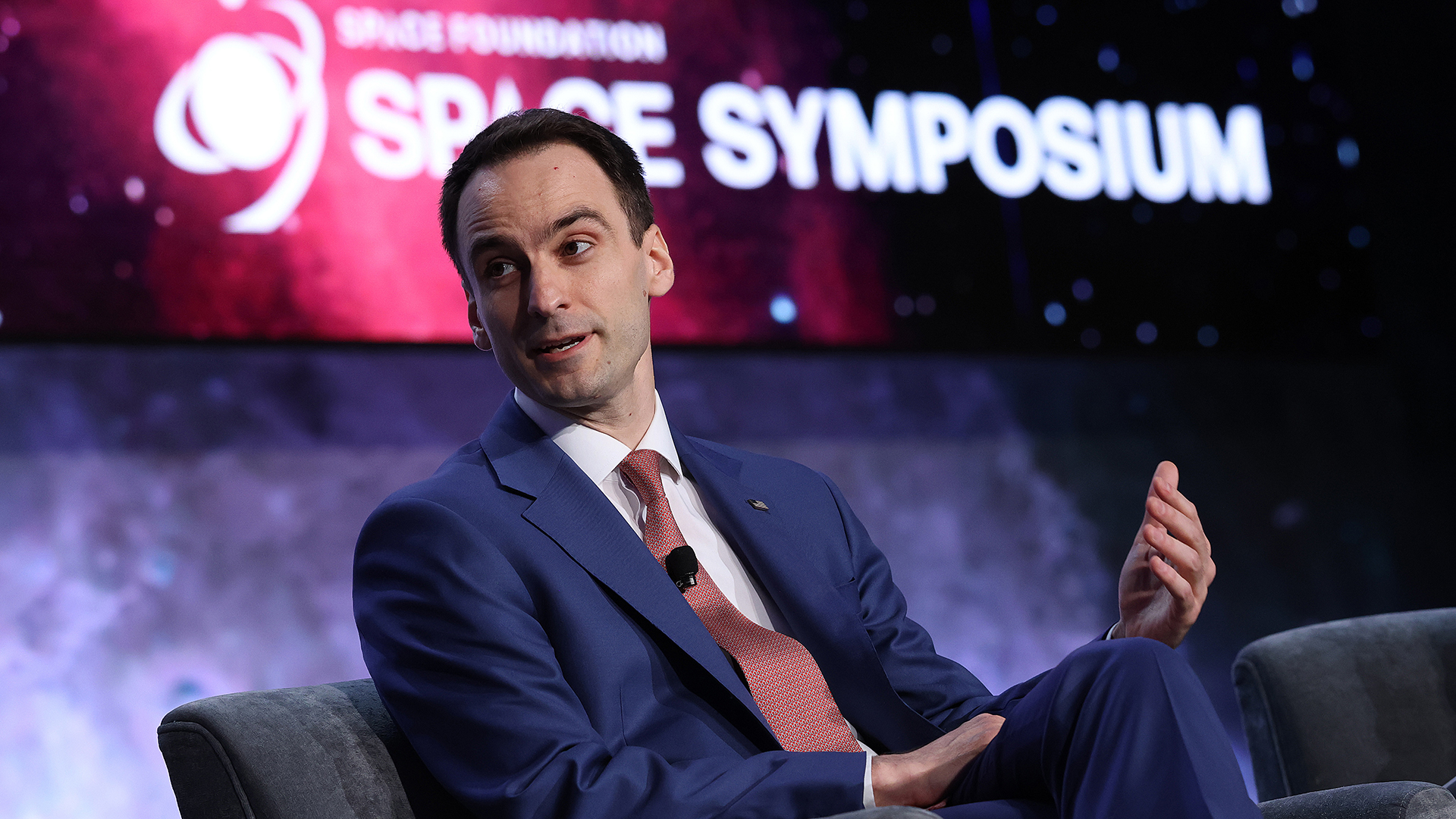
SpaceNews — At Space Symposium, Michael Kratsios, director of the White House’s Office of Science and Technology Policy (OSTP), announced a policy directing NASA, the Pentagon, and the Department of Energy to develop space nuclear power systems that could launch as soon as 2028.
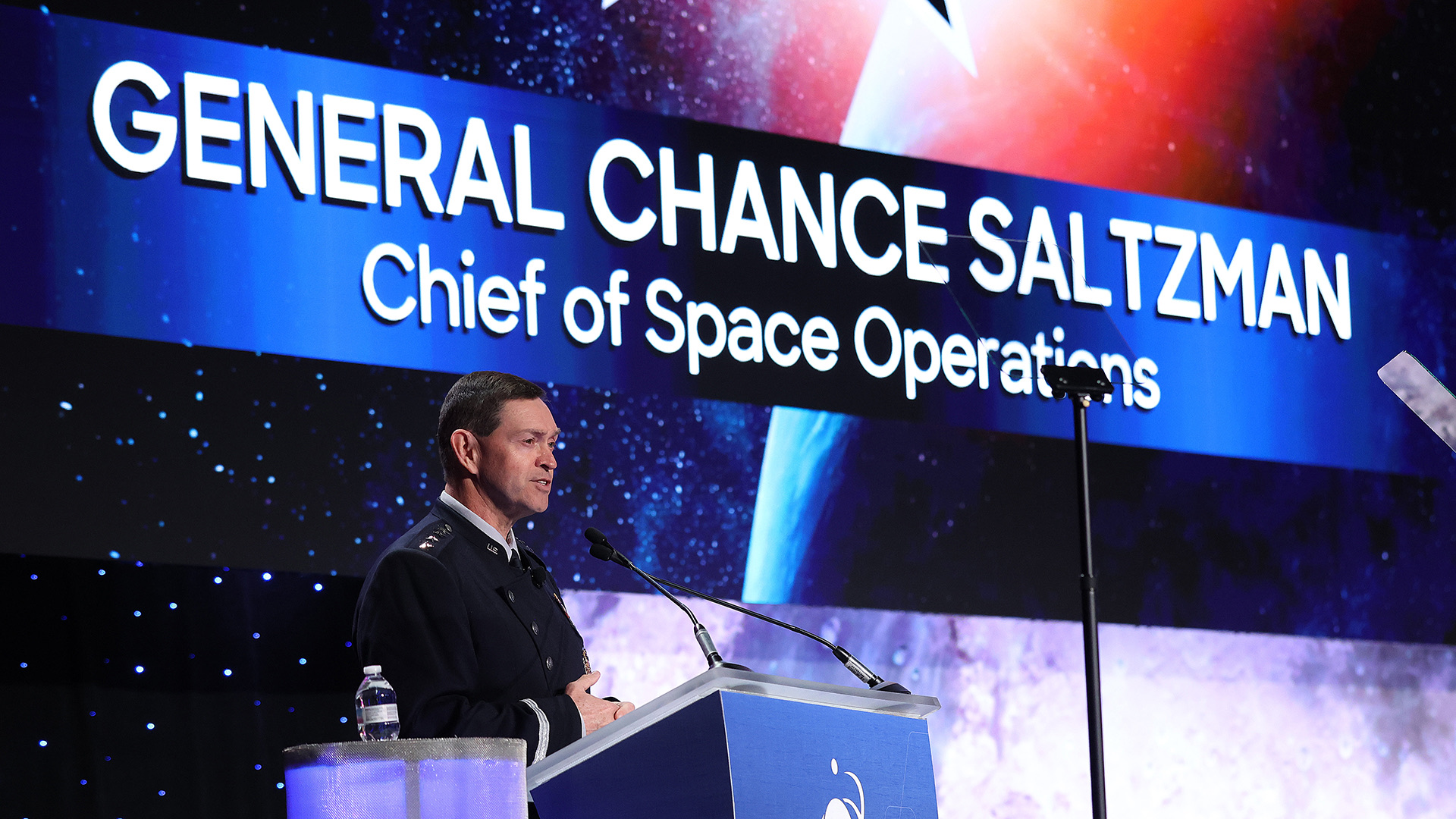
SpaceNews — Introduced at Space Symposium, the “Future Operating Environment” and “Objective Force” visions offer insight into how the Space Force expects on-orbit threats and enabling technology to evolve over the next 15 years and a roadmap for how it will meet that change.
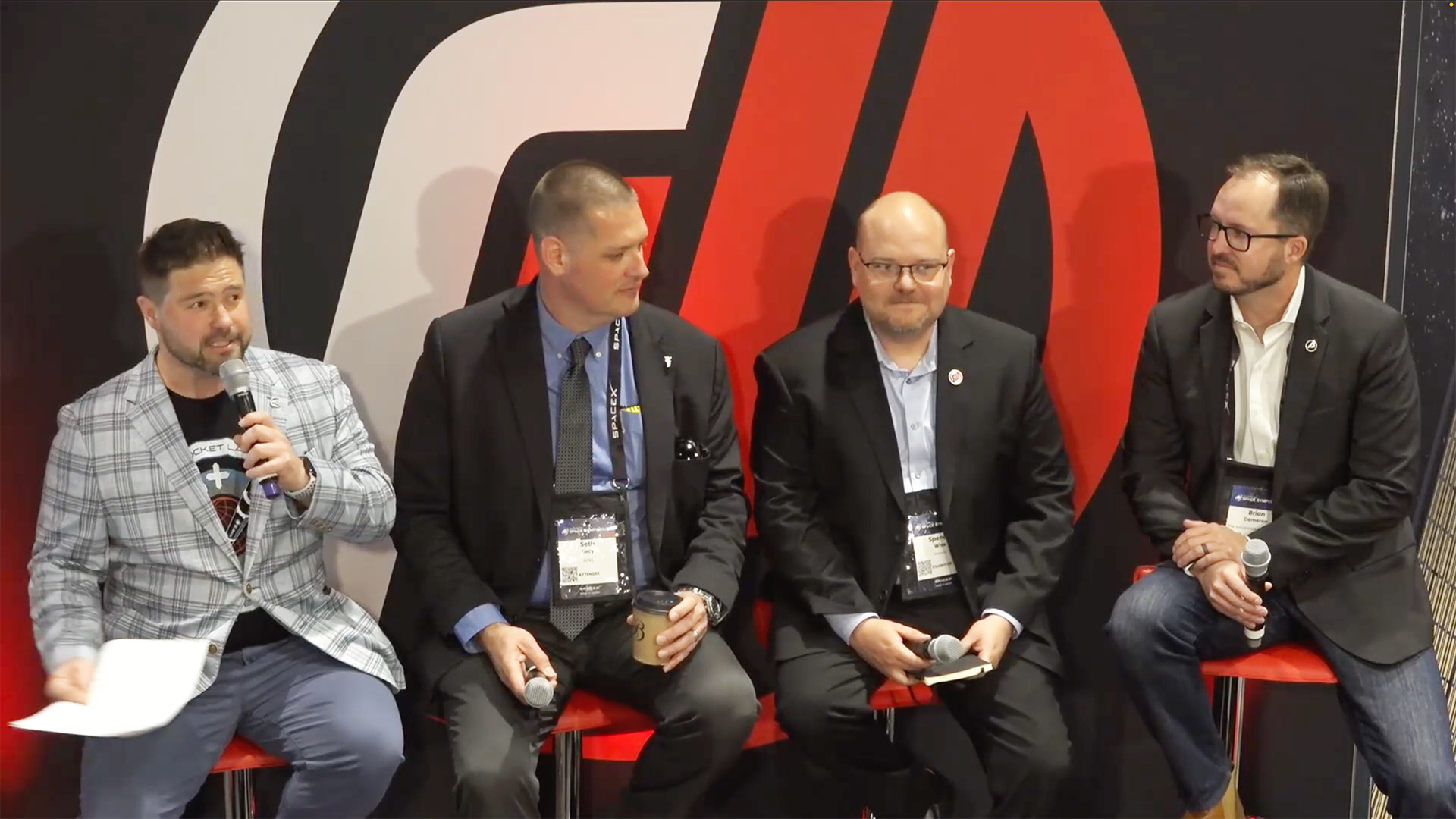
At Space Symposium, Aerospace’s Nexus Podcast hosted panelists from Air Force Research Laboratory and Redwire Space to discuss Very Low Earth Orbit (VLEO) operations.

SpaceNews — “I look for Aerospace to be in that space between government and the private sector, where we are leveraging and harnessing what the private sector is bringing to the table so that we can accelerate what the nation needs in space to keep us ahead on the space front,” said CEO Tanya Pemberton.
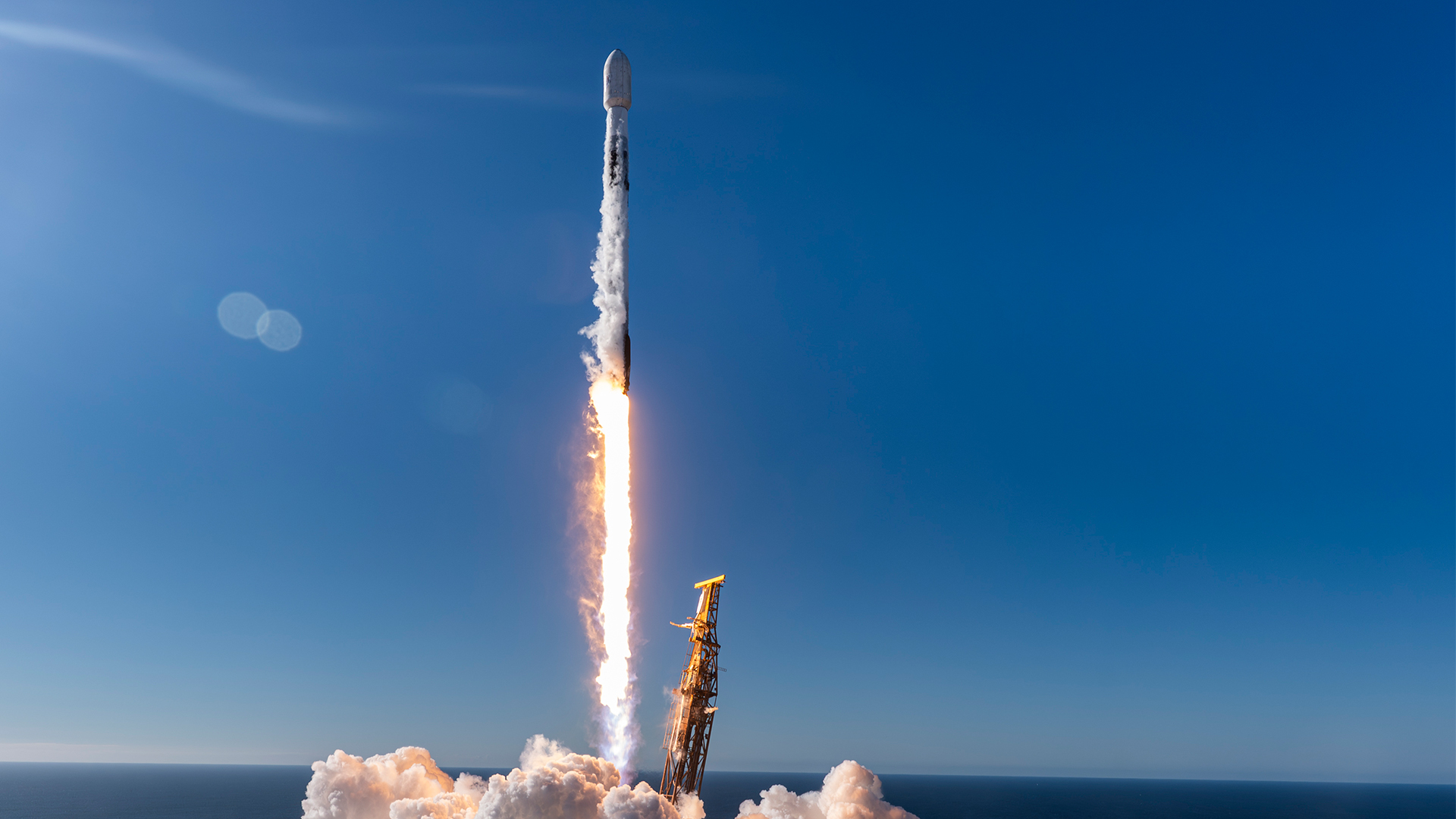
SpaceNews — “[The industrial base] still has challenges in building at large scale, the high reliability, high precision valves we need for satellites,” said Jamie Morin, VP of defense strategic space at Aerospace. “We still have a fragile, solid rocket motor industrial base. We still have key challenges in microelectronics for space at scale.”

Undark — Aerospace’s Martin Ross said there is not yet an accounting of before-launch emissions of methane, a potent greenhouse gas, from venting or tests.
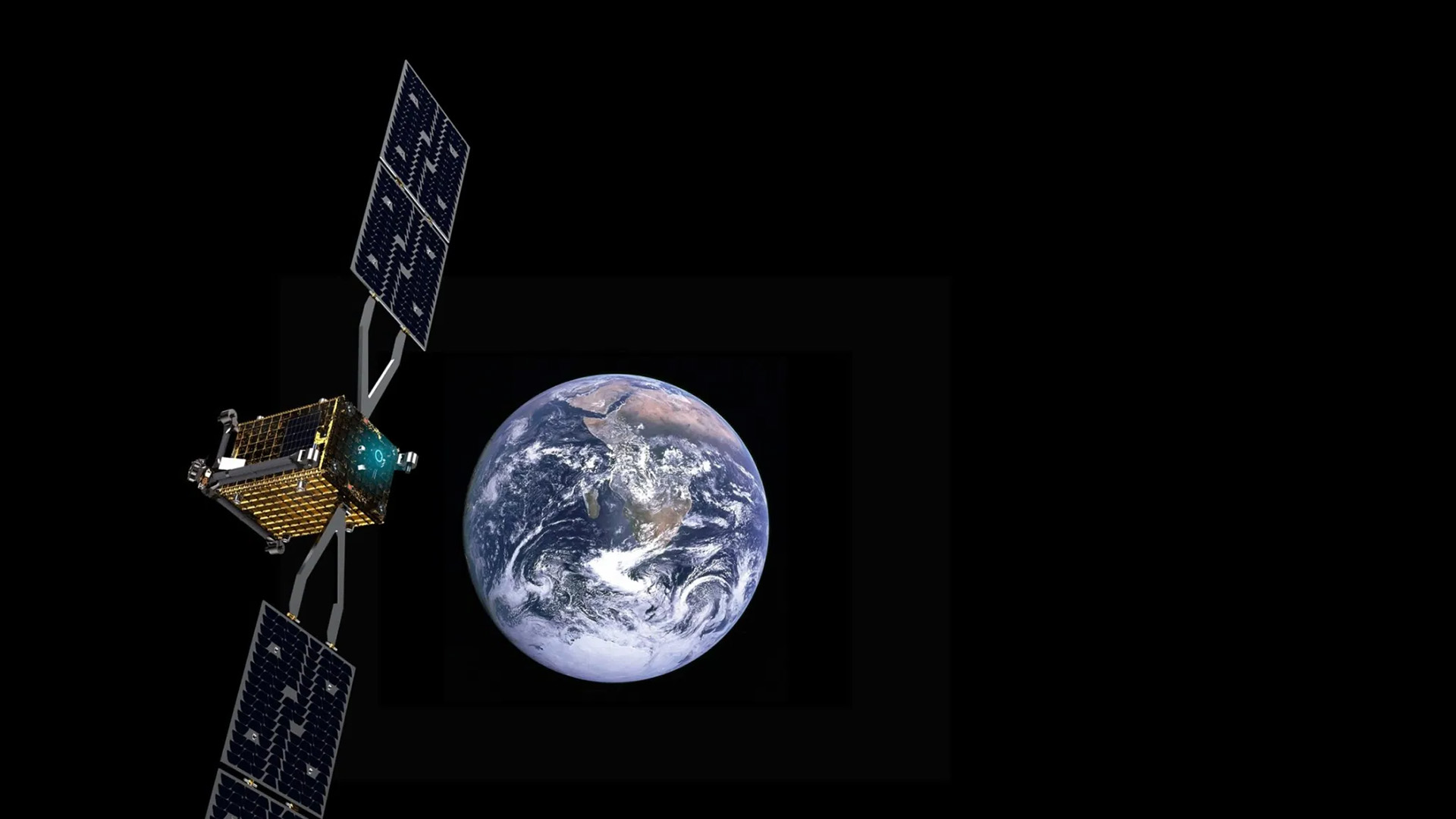
Via Satellite — “A robust, competitive mobility marketplace is likely still five to ten years away,” says Bryan Hoke, corporate technical fellow of dynamic space operation at The Aerospace Corporation. “Maneuver capability presents a classic chicken-and-egg challenge. Government hopes industry will innovate, while industry requires clear demand signals to justify investment.”
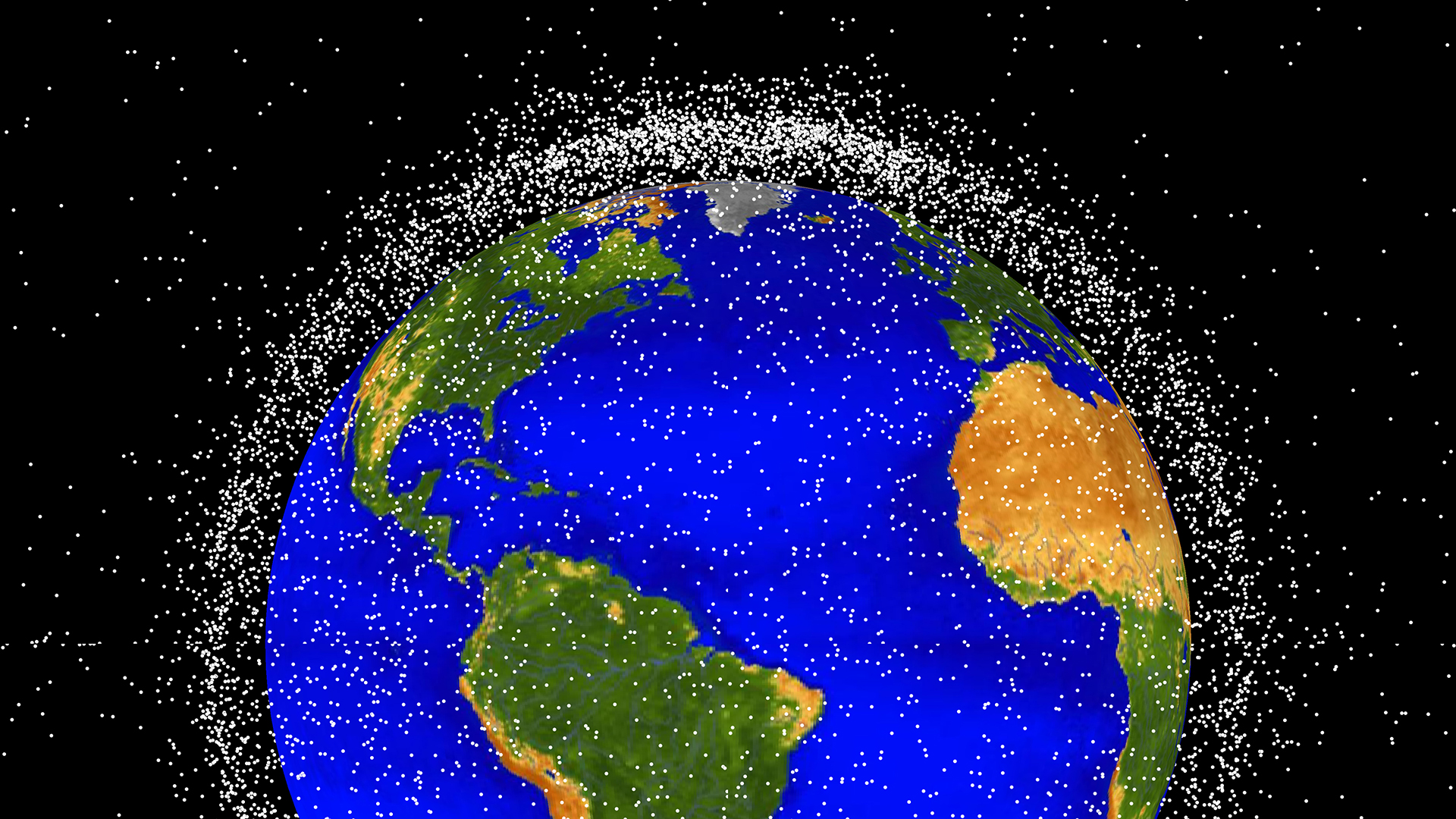
Washington Exec — Aerospace built a proof-of-concept tool to help operators and engineers manage the growing complexity of Proliferated Low Earth Orbit constellations, in collaboration with Google Public Sector’s Rapid Innovation Team on Google Cloud’s Vertex AI platform.