
SpaceNews — New NASA Administrator Jared Isaacman said he wants the agency to move faster on key programs such as Artemis but acknowledged he needs time to get up to speed on NASA’s activities.
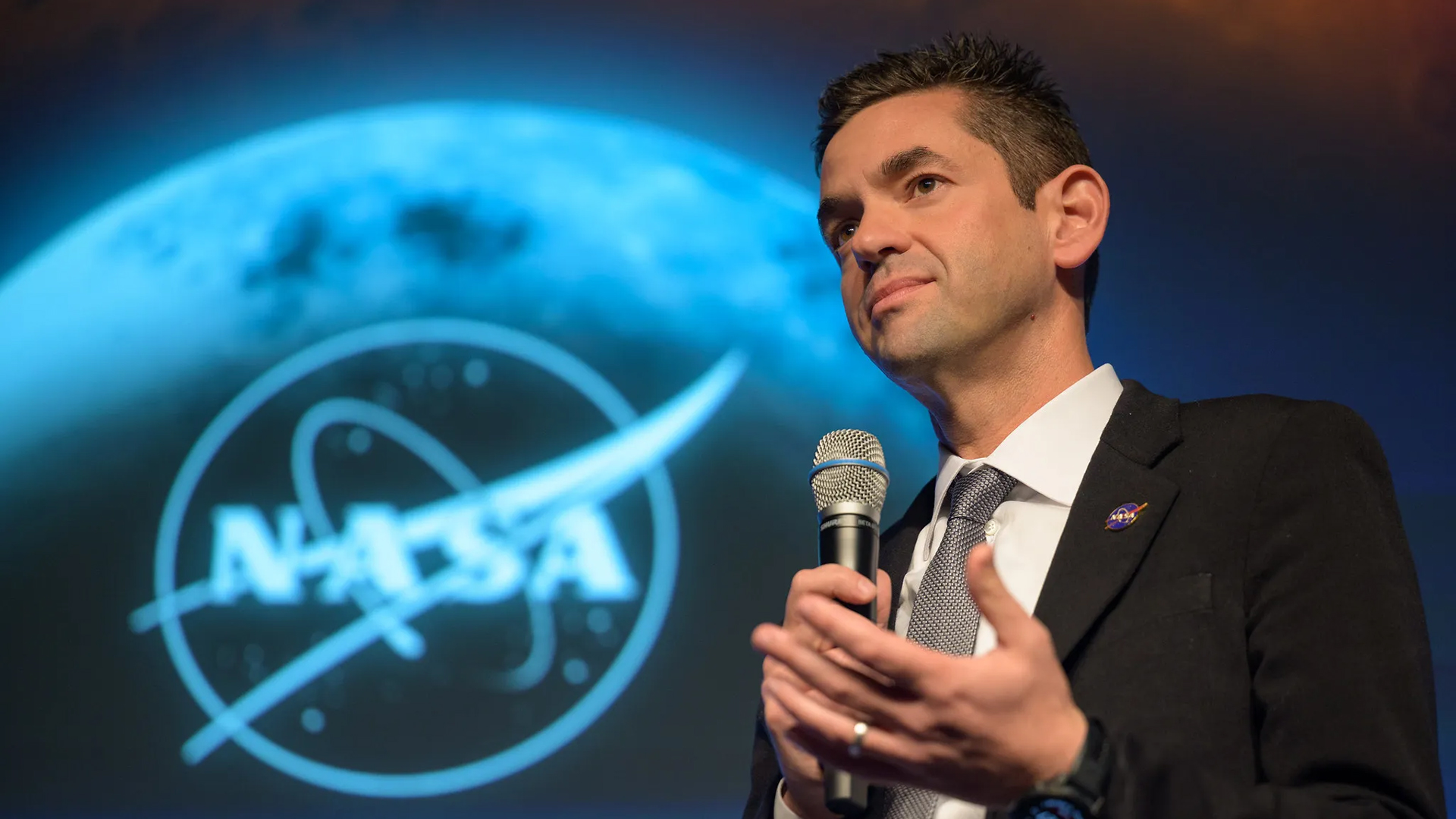
SpaceNews — New NASA Administrator Jared Isaacman said he wants the agency to move faster on key programs such as Artemis but acknowledged he needs time to get up to speed on NASA’s activities.
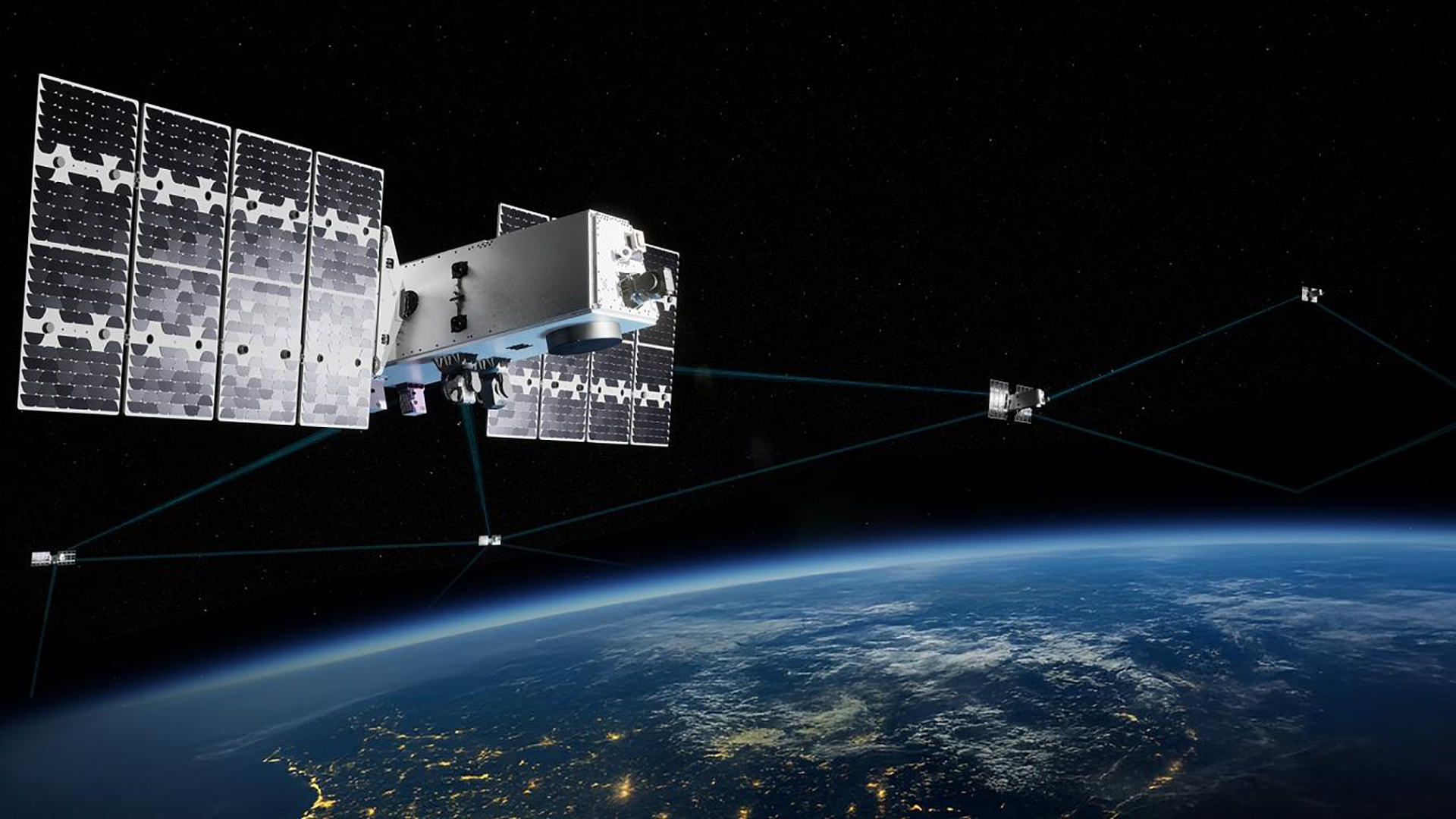
Aviation Week — Rocket Lab is making its missile defense development debut, as the U.S. Space Development Agency (SDA) awarded the company one of four contracts for the next phase of its Tracking Layer, for satellites due to launch in 2029.
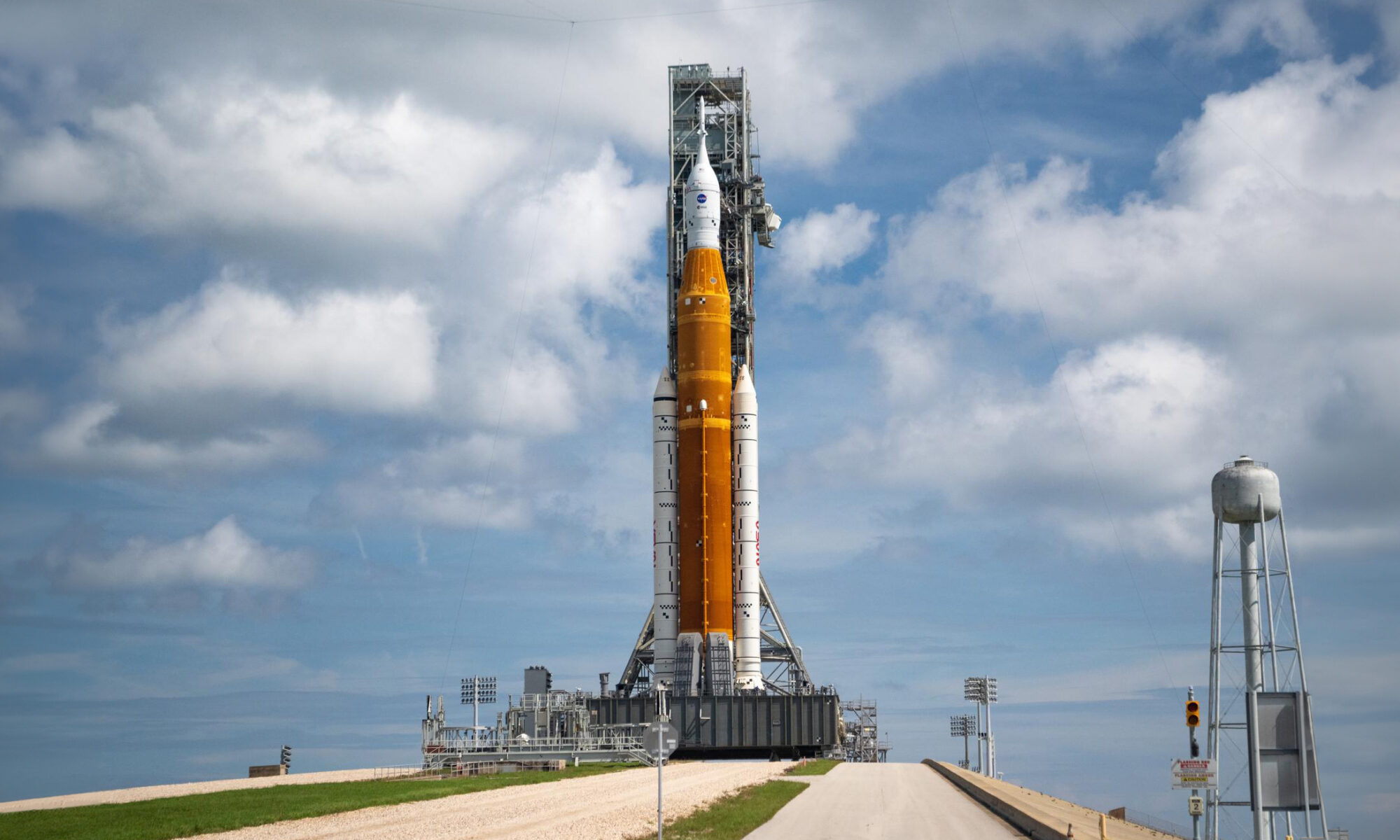
Aviation Week — NASA’s 2026 priorities are launching Artemis II and working on successors to the ISS.
The Gazette — With the newly passed and signed National Defense Authorization Act, Congress increased the number of guardians the U.S. Space Force can employ from 9,800 in 2025 to 10,400. The service also got an additional $1.1 billion for research and development, boosting that piece of its budget up to about $16 billion.

Aviation Week — By 2030, according to President Donald Trump’s administration, Washington will have developed new prototype missile warning capabilities, deployed a nuclear reactor on orbit and on the lunar surface, returned Americans to the Moon, and ensured U.S. dominance in the commercial space sector and in spectrum management—while also protecting the domain from on-orbit threats, including possibly nuclear weapons.
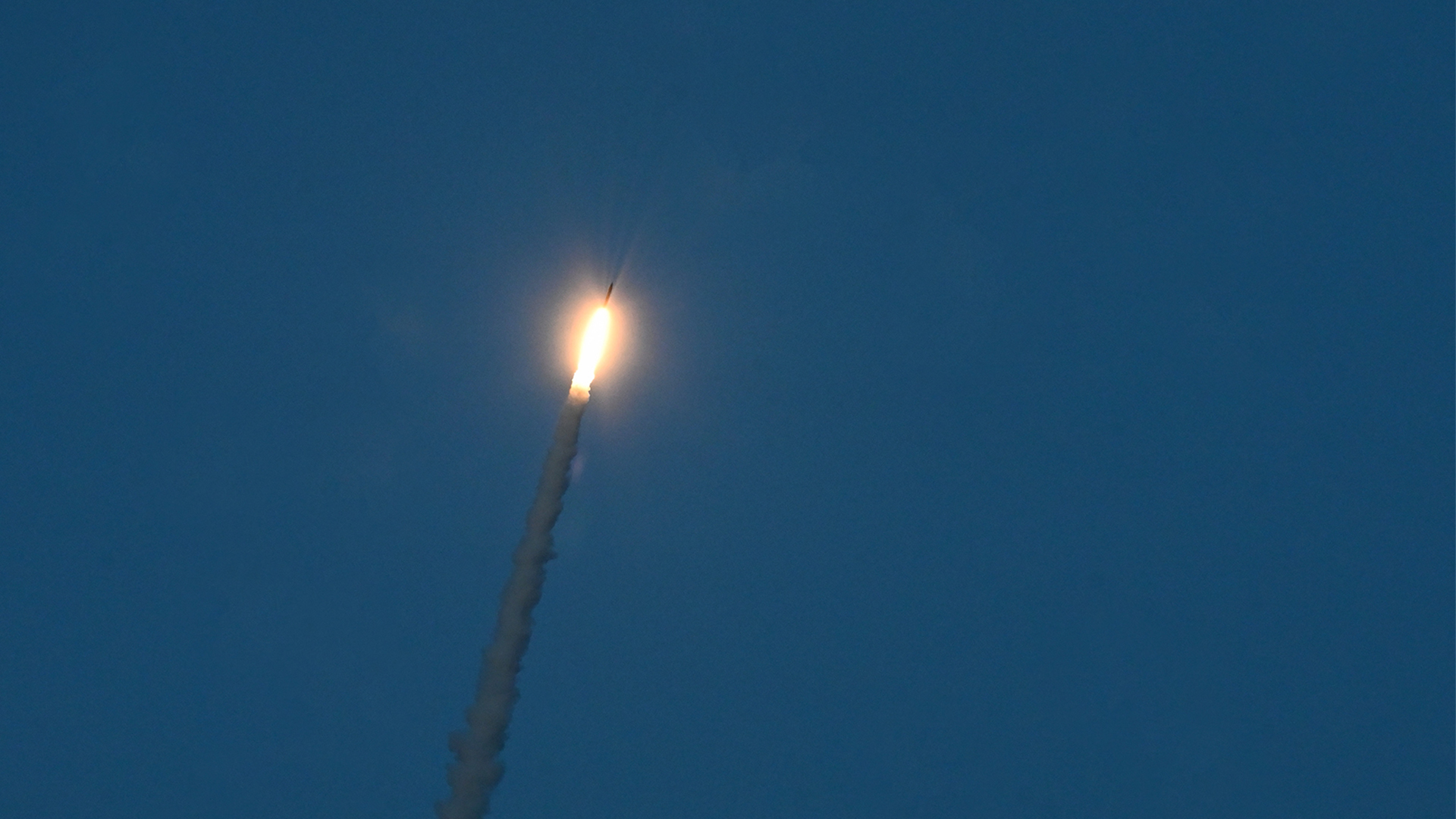
DefenseNews — The U.S. Space Force is looking for advanced technologies for space-based interceptors that can intercept ballistic missiles during their boost phase inside the atmosphere, based on a recent Small Business Innovation Research (SBIR) solicitation. The problem with existing antimissile interceptors is that they are too big and expensive, according to the SBIR.

Breaking Defense — Gen. Gregory Gagnon, commander of Combat Forces Command, is prioritizing training Guardians, using both virtual environments and, in the future, a dedicated fleet of live satellites.
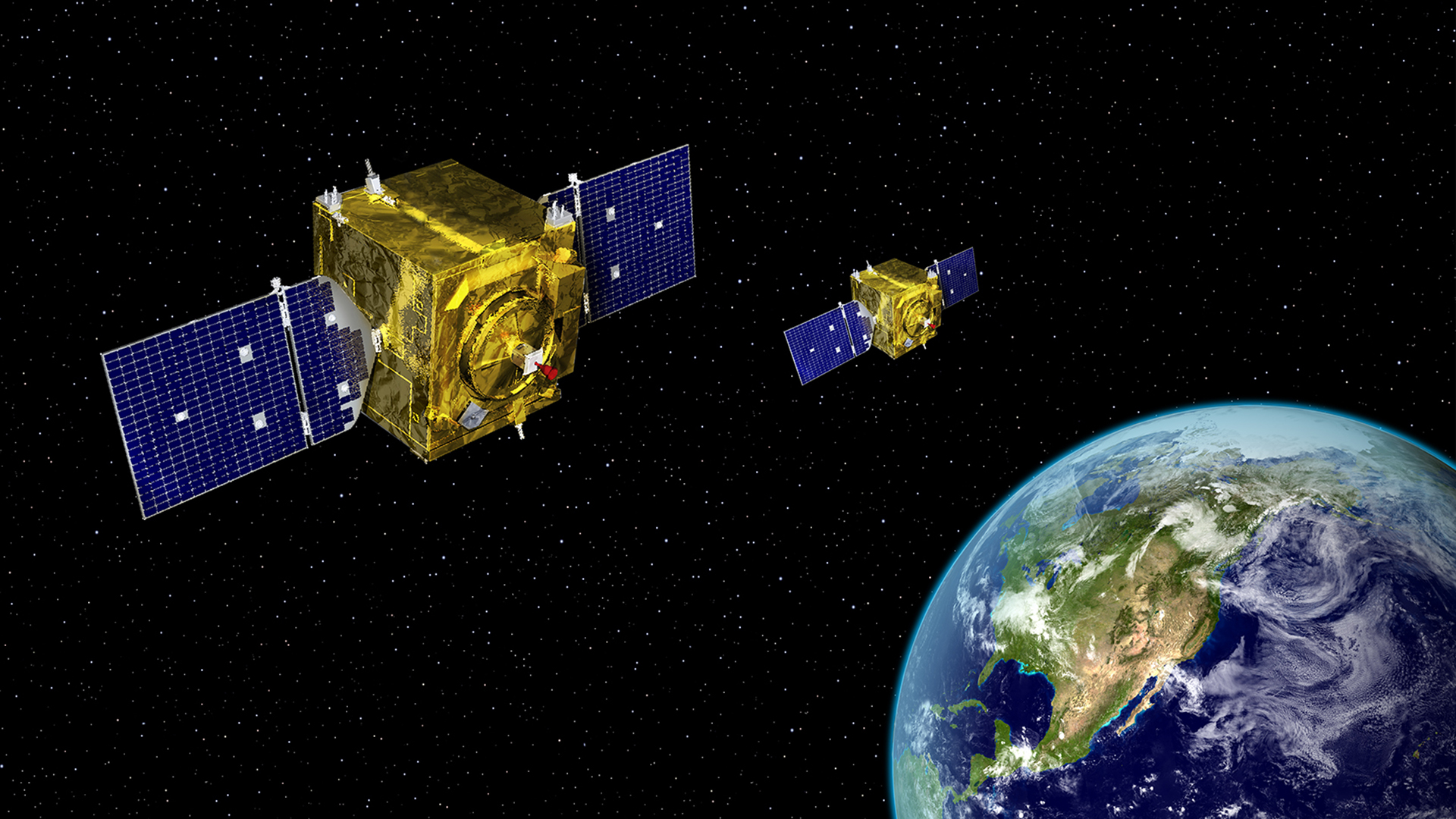
Air and Space Forces Magazine — The U.S. Space Force wants to emphasize small, low-cost systems and commercial capabilities in the next generation of Silent Barker surveillance satellites, drawing lessons from its work to replace the Geosynchronous Space Situational Awareness program.
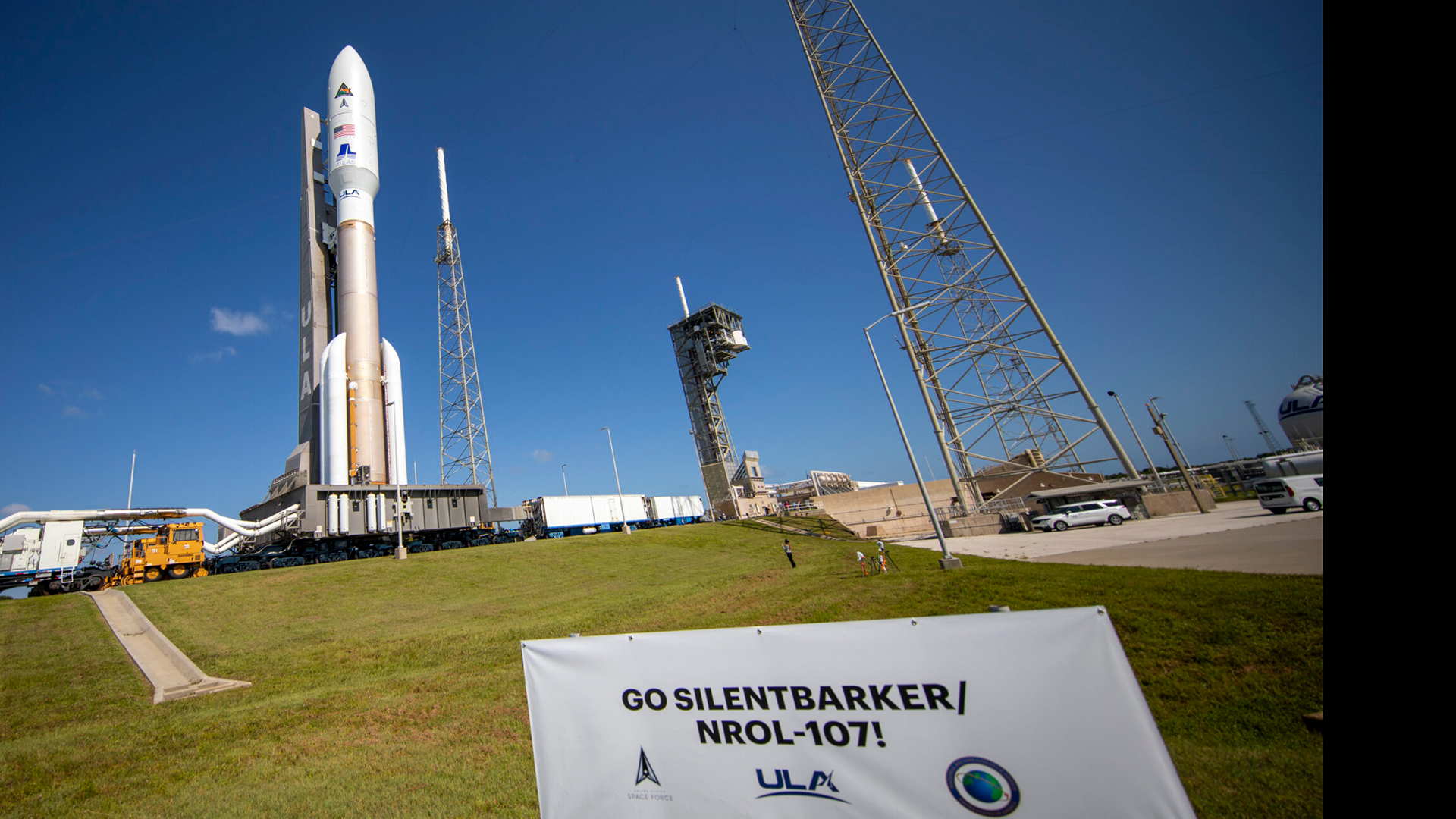
Breaking Defense — The Space Force intends to go solo in developing a follow-on to the classified SILENTBARKER space surveillance constellation currently operated in tandem with the National Reconnaissance Office (NRO)

Space.com — Rocket Lab initially planned to launch the “Don’t Be Such a Square” mission in April 2026 but expedited it at the Space Force’s request, the company said. “With its ability to fly continuously with one face pointing at the Earth, the DiskSat can also have a very low drag, making them capable of very-low-altitude missions (less than 300 kilometers) such as those necessary for some Earth-observation missions,” said NASA.