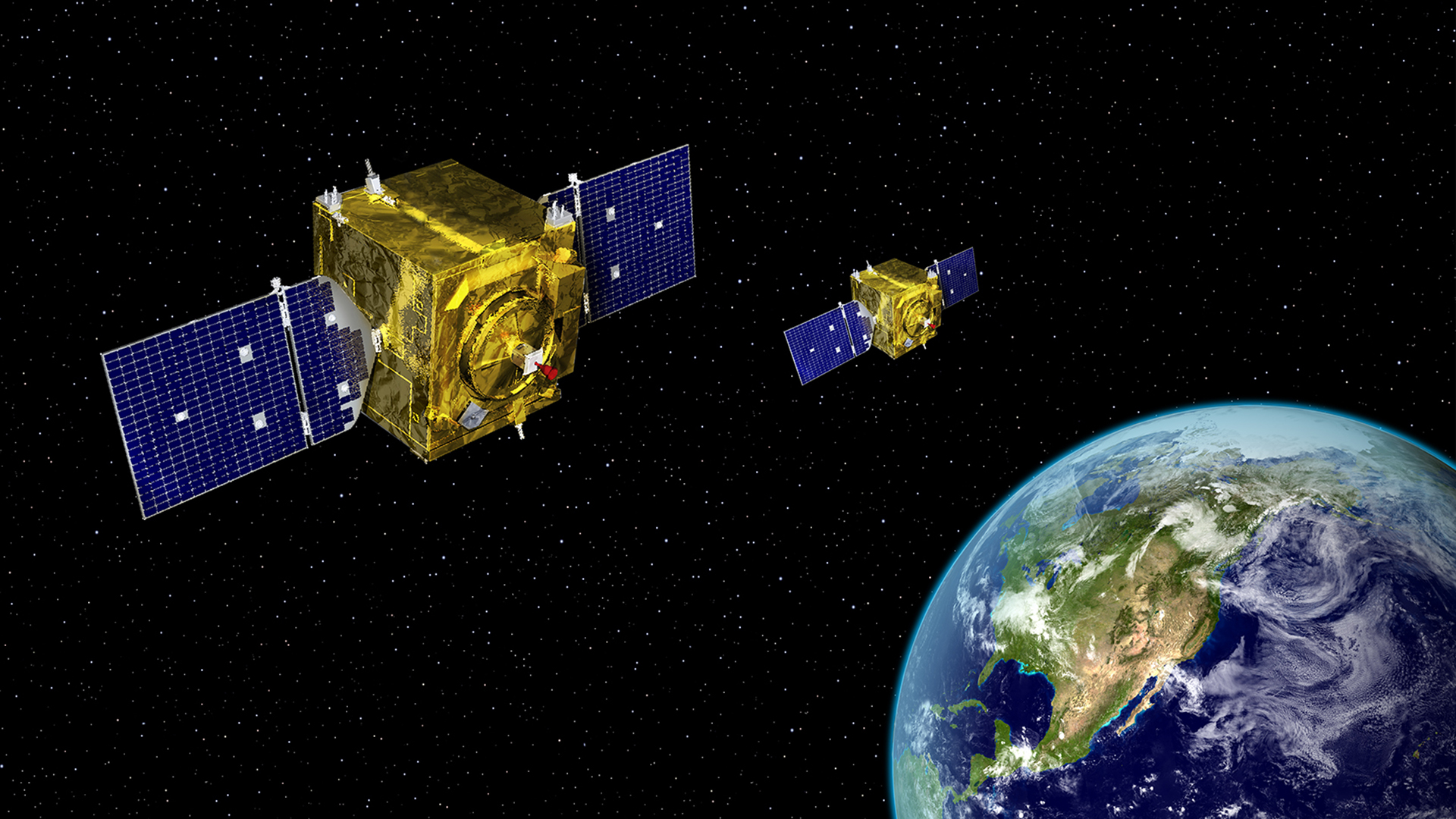
Air and Space Forces Magazine — The U.S. Space Force wants to emphasize small, low-cost systems and commercial capabilities in the next generation of Silent Barker surveillance satellites, drawing lessons from its work to replace the Geosynchronous Space Situational Awareness program.
Rocket Lab launches 4 experimental ‘DiskSats’ for the US military
Space.com — Rocket Lab initially planned to launch the "Don't Be Such a Square" mission in April 2026 but expedited it at the Space Force's request, the company said. "With its ability to fly continuously with one face pointing at the Earth, the DiskSat can also have a very low drag, making them capable of very-low-altitude missions (less than 300 kilometers) such as those necessary for some Earth-observation missions," said NASA.
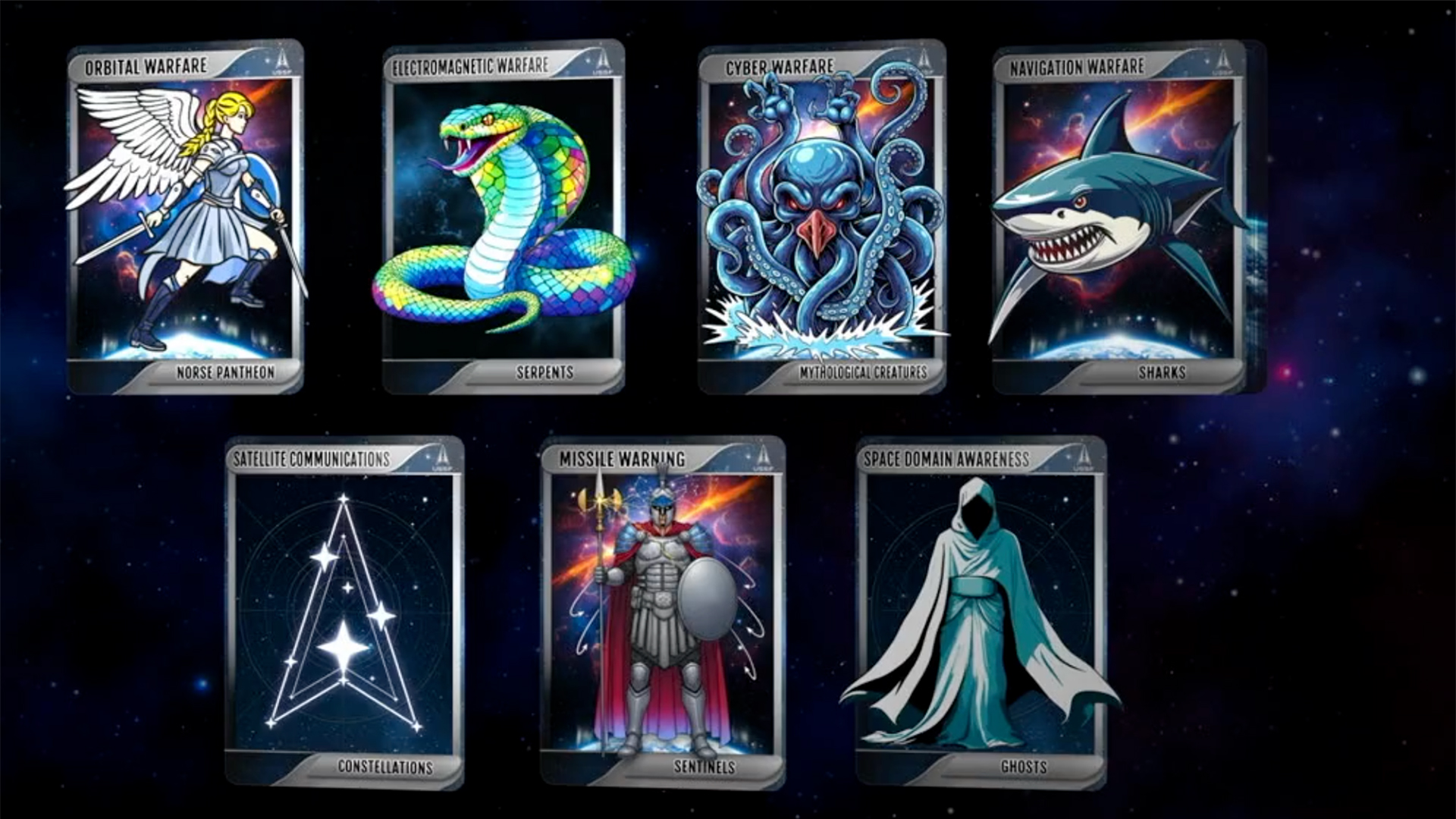
Snakes, Sharks, and Ghosts: Space Force Reveals Themes for Naming Platforms
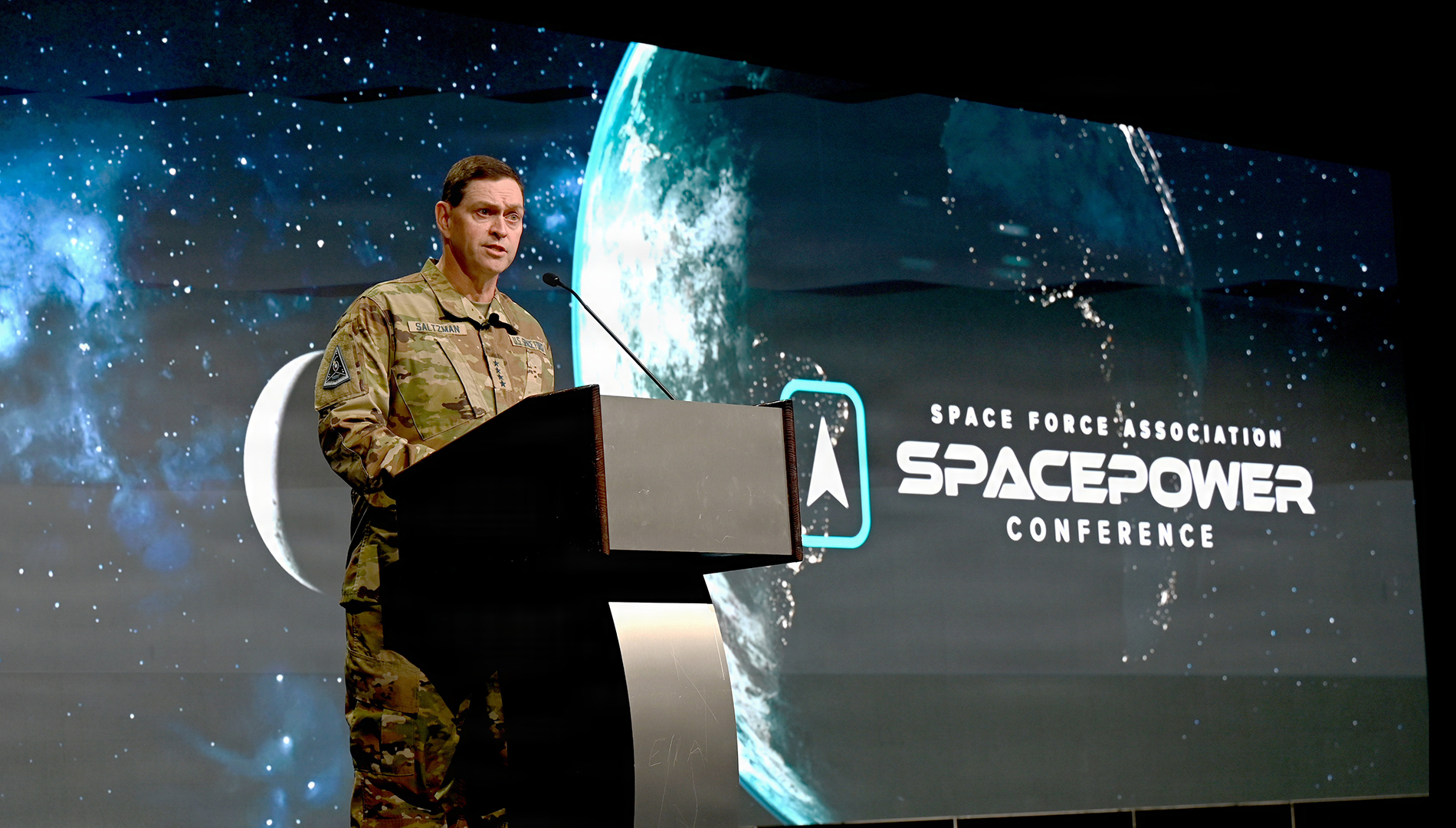
Air and Space Forces Magazine — "Much like the Army has the Abrams tank and the Air Force has the Fighting Falcon, we needed a way to own the identity of our space systems as they enter the joint fight," Chief of Space Operations Gen. B. Chance Saltzman said. "These symbols conjure the character of the systems, the importance of their mission, and the identity of the Guardians who employ them."
Pentagon Planning Competitive Awards For Ground, Air MTI From Space
Aviation Week — The U.S. Air Force is moving quickly to award multiple competitive contracts for space-based moving target indication assets, first for ground moving target indication (GMTI) and then for air moving target indication (AMTI).
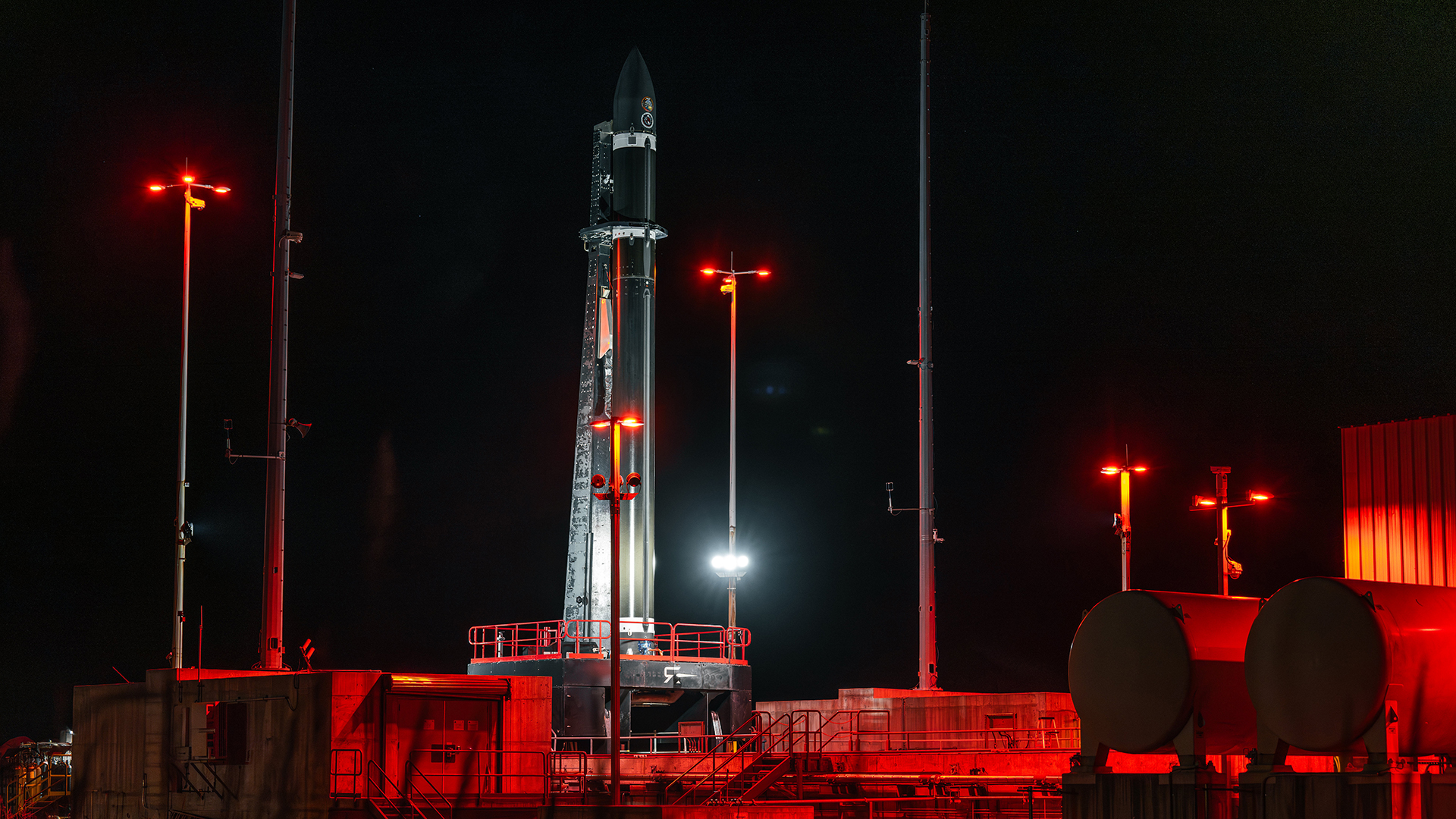
Rocket Lab Launches 4 Experimental DiskSats for the US Military
Space.com — An Electron rocket carrying four DiskSats lifted off from Rocket Lab's pad on Wallops Island, Virginia on Thursday at 12:03 a.m. EST. The launch, which Rocket Lab called "Don't Be Such a Square," kicked off the Space Test Program (STP)-S30 mission for the U.S. Space Force's Space Systems Command.
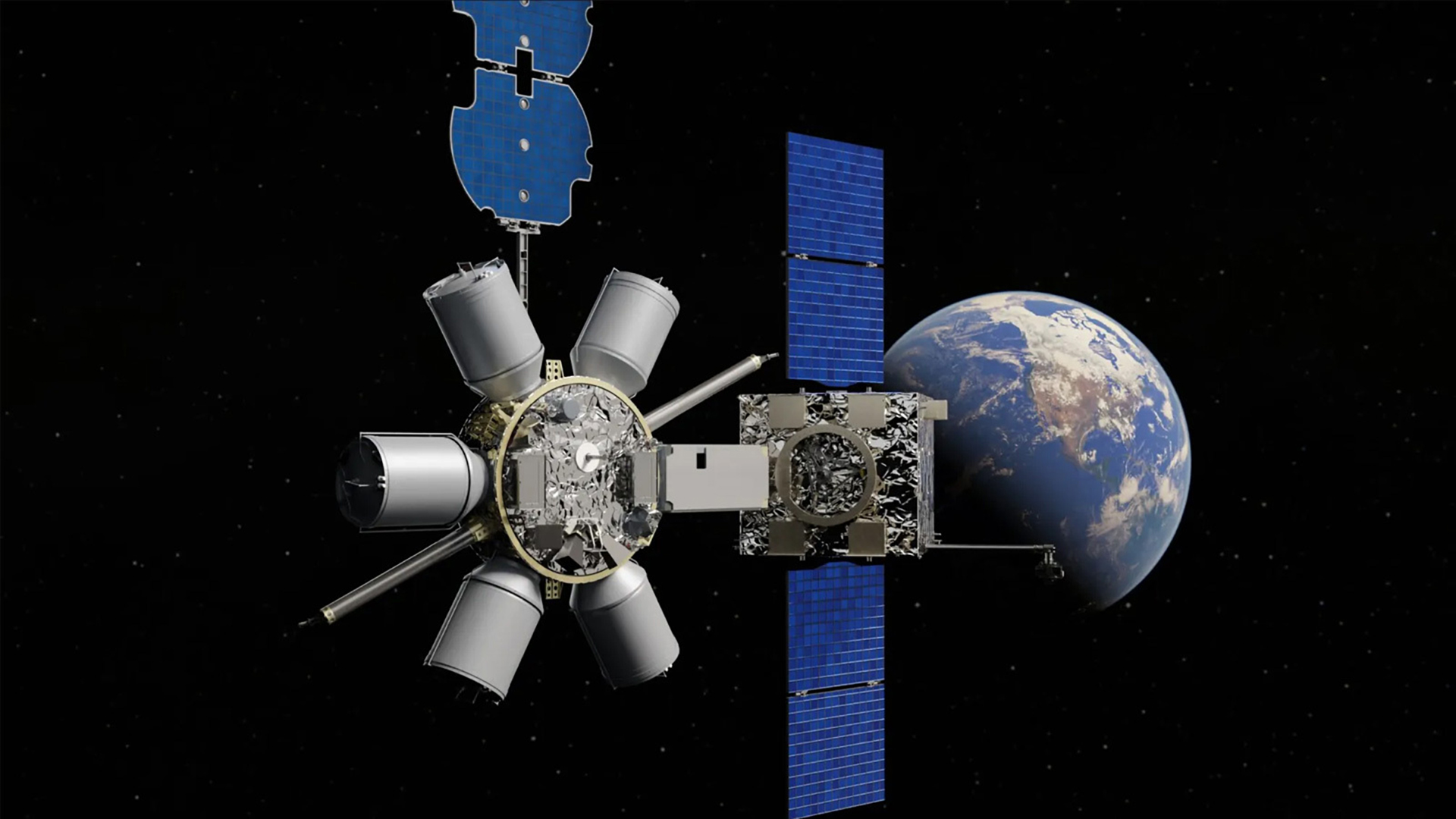
Debrief: What It Will Take To Harness In-Space Refueling
Aviation Week — In a new report, the Consortium for Space Mobility and ISAM Capability (Cosmic) says the Pentagon needs more testbeds—along with immediate policy reforms and infrastructure investments—to fully exploit the capability.
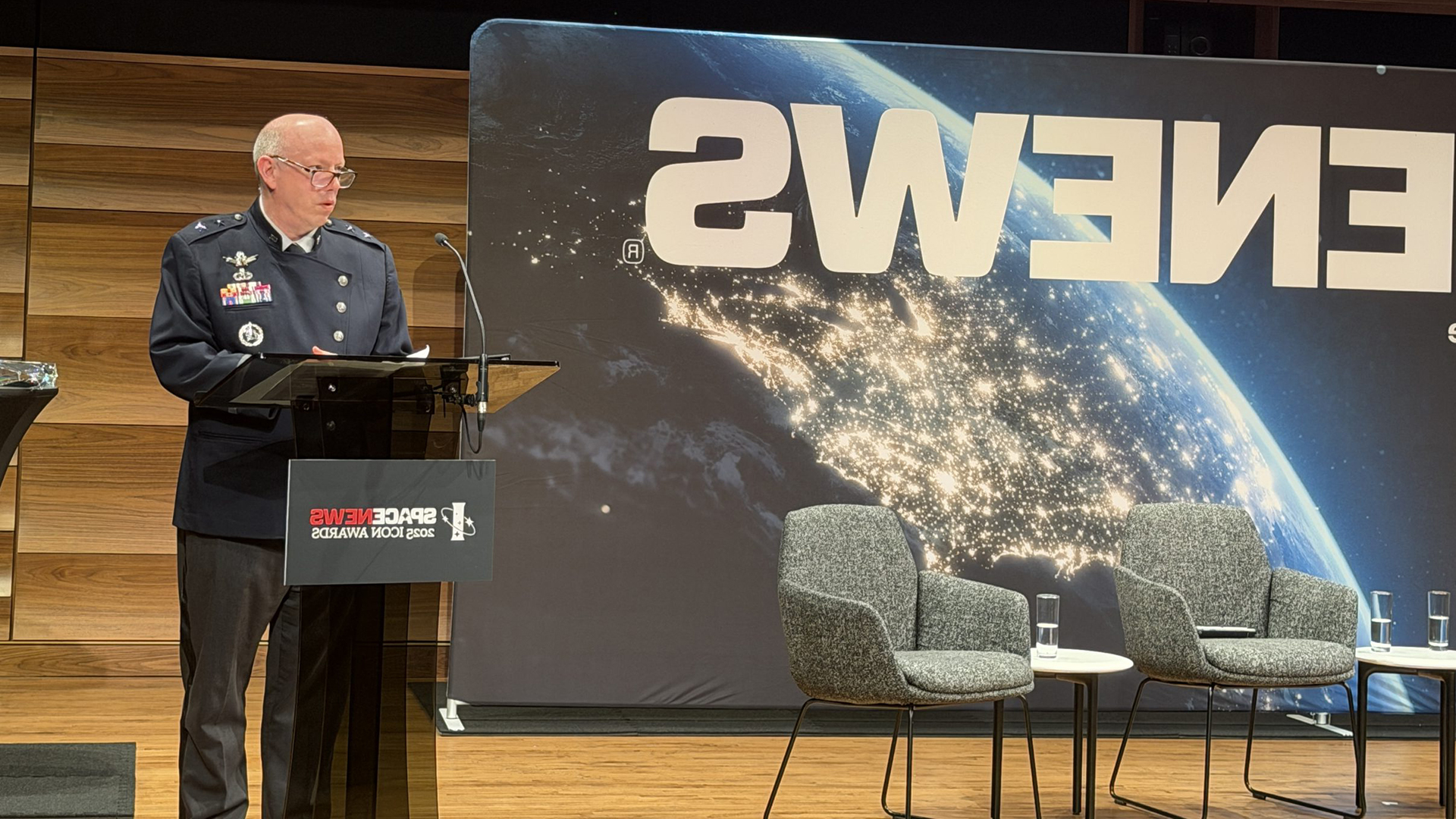
Space Force Top Buyer Says Rapid Commercial Innovation is Reshaping Military Space Strategy
SpaceNews — Maj. Gen. Stephen Purdy, the U.S. Space Force’s top acquisition officer told an audience of space industry executives that the Pentagon’s future in orbit will depend on how effectively it harnesses private-sector innovation.
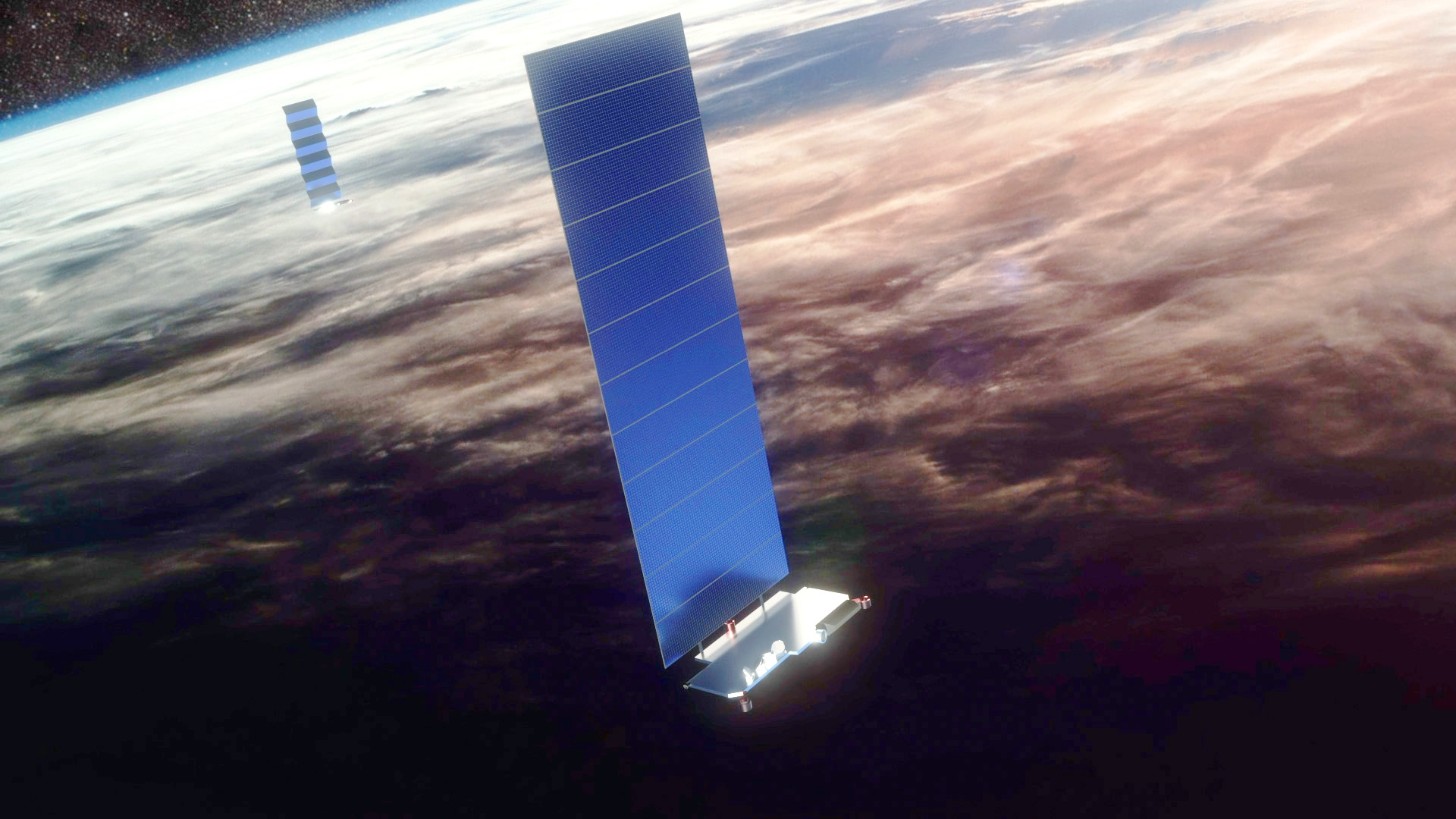
China Researches Ways to Disrupt Satellite Internet
Dark Reading — Sam Wilson, Aerospace's director of strategy and national security at the Center for Space Policy and Strategy: "While knocking out a single asset would cause damage and potentially escalate conflict, it would not achieve taking the entire constellation offline. This has pushed adversaries to consider other types of threat vectors, including [electronic warfare] and cyber."
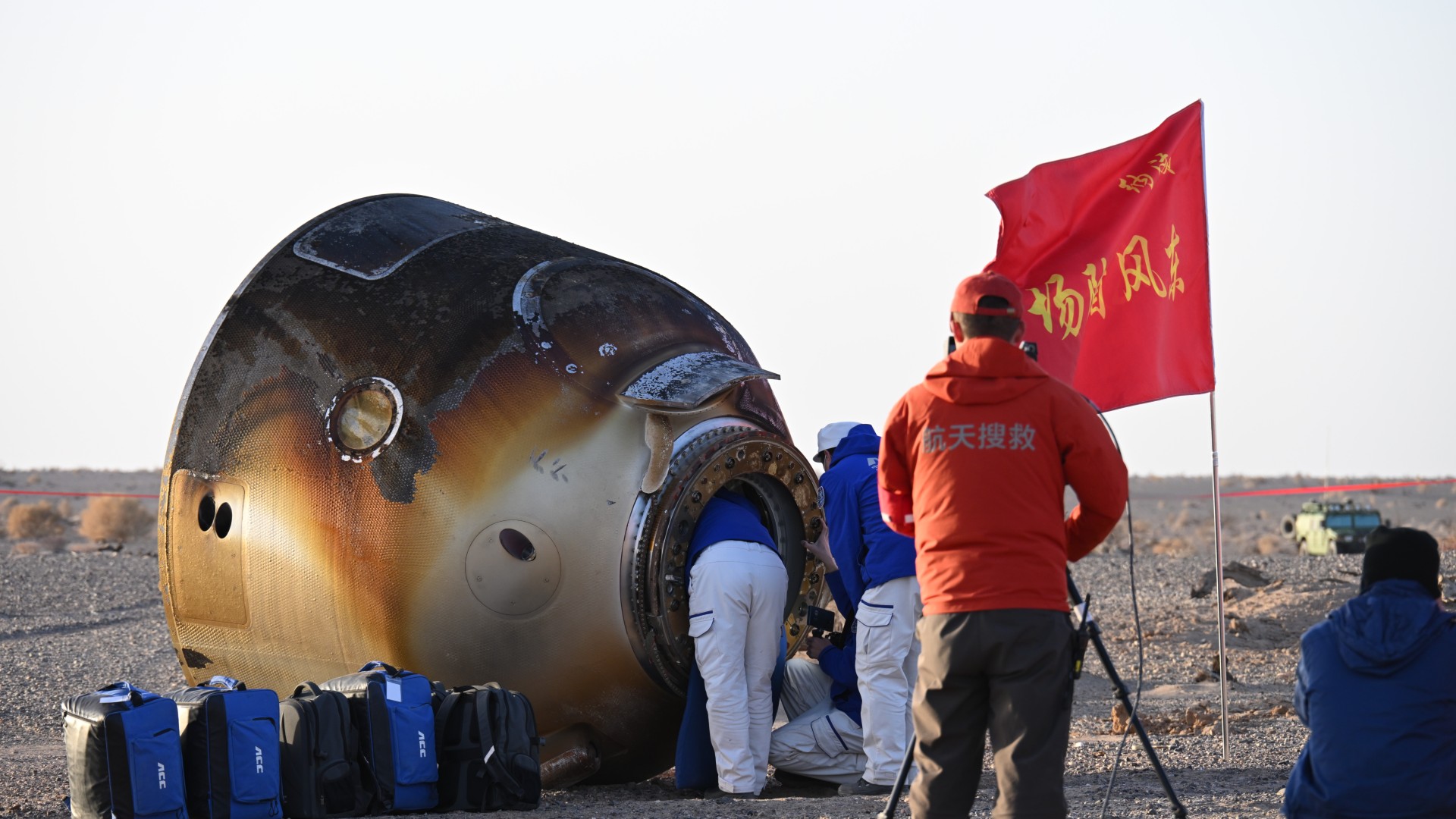
Three Chinese Astronauts Were Stuck in Space. Here’s Why it Keeps Happening.
The Washington Post — "There’s also debris that’s so small we can’t track it," said Grant Cates, a senior project leader for the Space Architecture Department at the Aerospace Corporation. "In [the Shenzhou incident], it probably might have been an untracked piece of debris that struck the spacecraft."
Report: Space Force Needs More Funding, Training to Counter China’s Space Ambitions
Air and Space Forces — In its annual report to Congress, the U.S.-China Economic and Security Review Commission highlights China’s “aggressive long-term, whole-of-government campaign” to gain an edge over the U.S. in space. "In just 10 years, China has dramatically transformed an almost nonexistent commercial space sector into a thriving, state-orchestrated startup ecosystem."