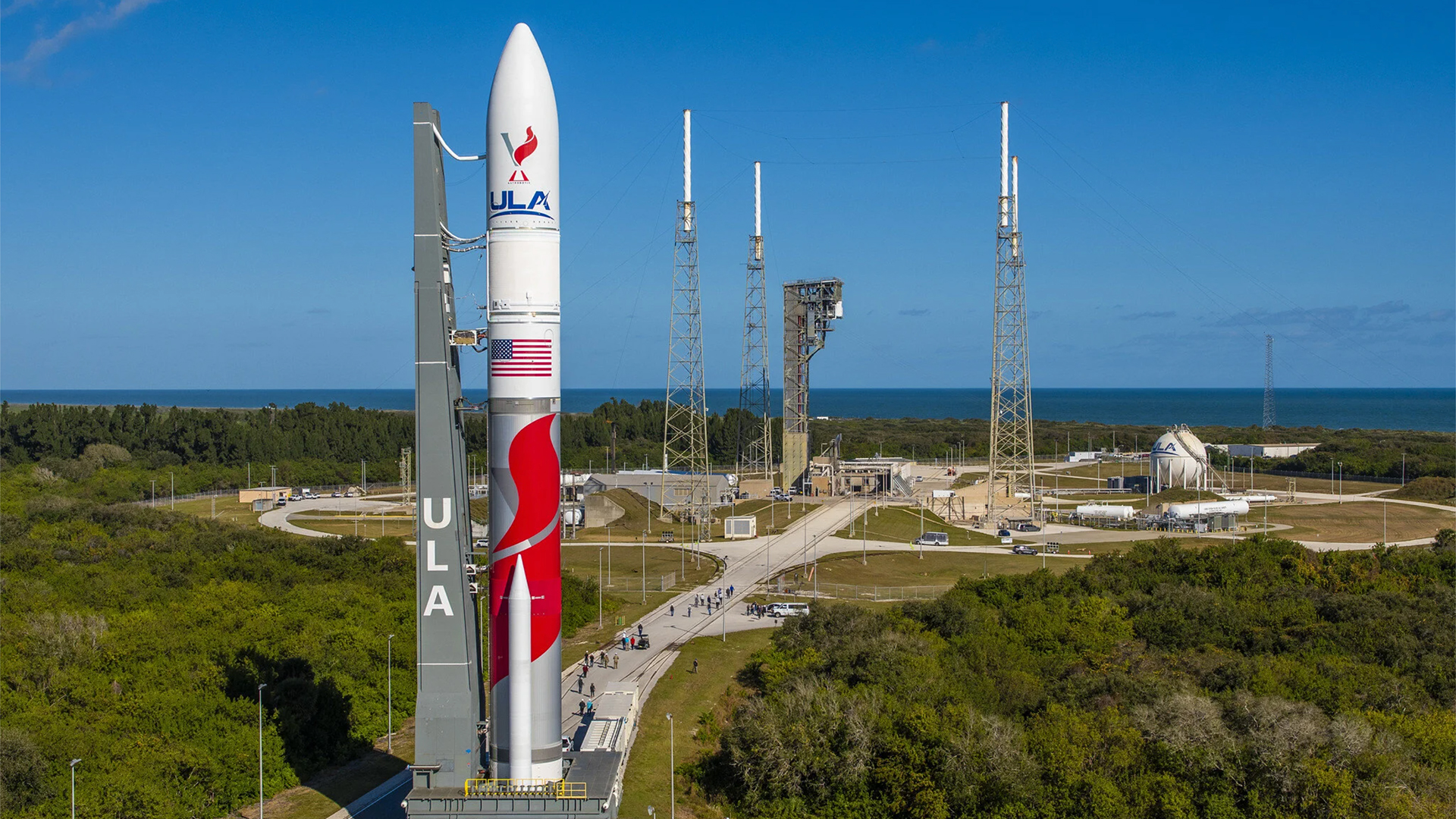
Air and Space Forces Magazine — United Launch Alliance’s new Vulcan Centaur rocket is slated to fly its second national security mission in February—nearly six months after its first operational launch and almost a year after it was certified to launch military payloads for the Space Force.
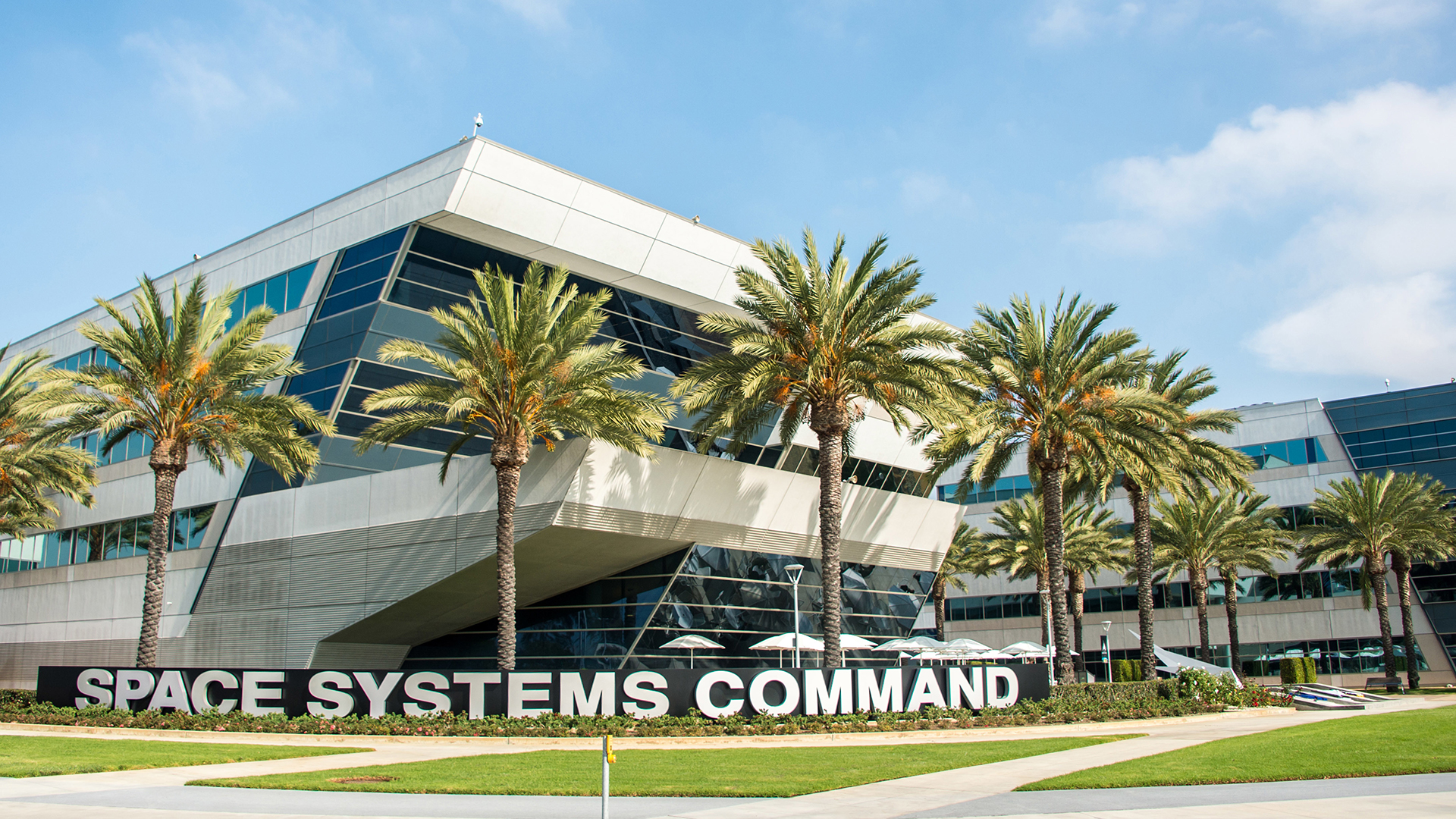
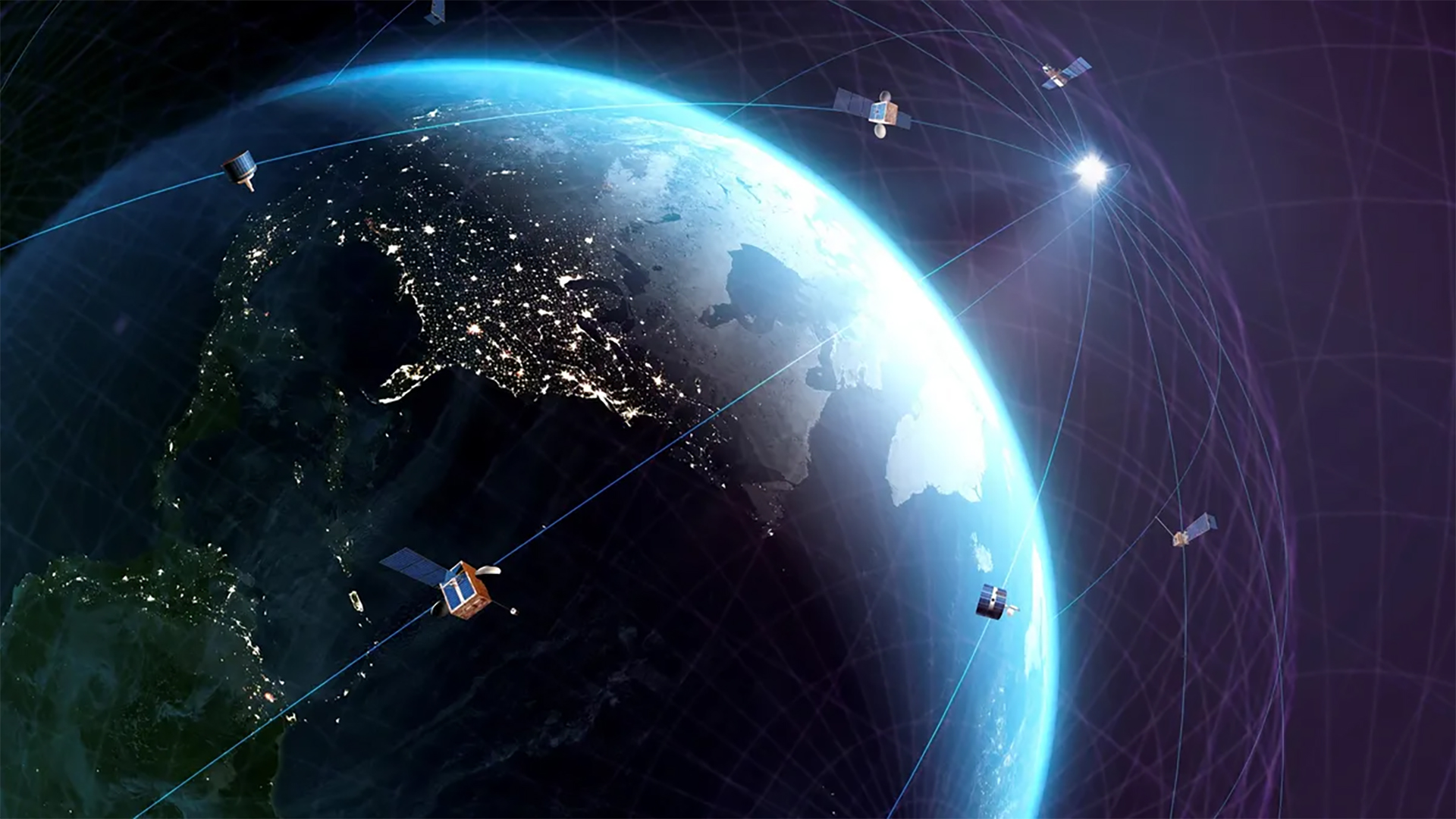
Space Force Begins Base Network Overhaul as Cybersecurity Demands Grow
SpaceNews — The overhaul aims to provide resilient, high-throughput connectivity across all 14 U.S. Space Force bases. “This modernization effort will upgrade both classified and unclassified network infrastructure,” the Air Force said, including the use of zero trust security architectures and support for cloud-based applications.
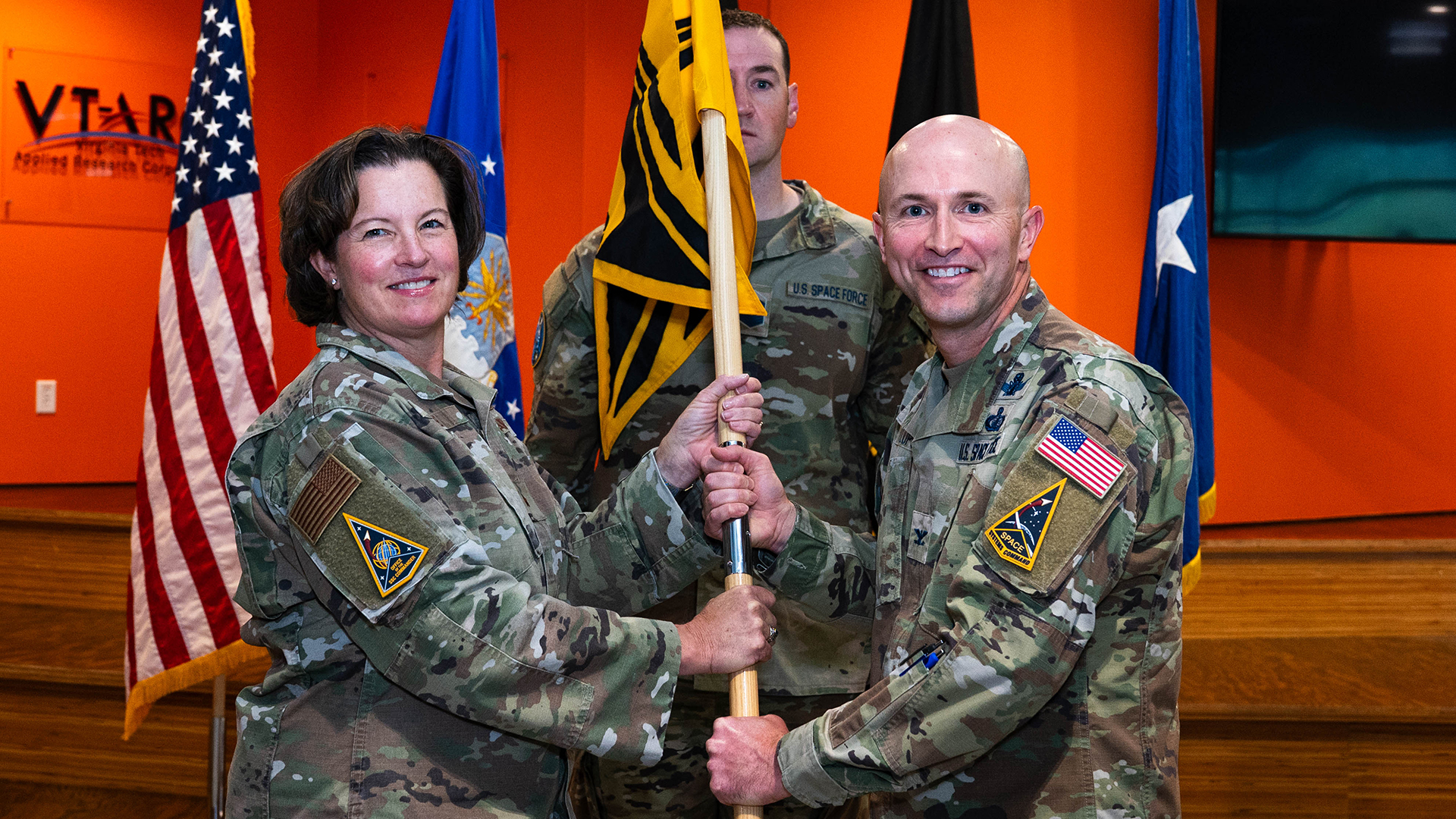
Space Force Tackles Near-Term Training Needs with an Eye Toward a High-Fidelity Range
Air and Space Forces Magazine — Space Systems Command has been working with CFC and Space Training and Readiness Command to expand its cyber digital operational environment. The U.S. Spacer Force is also getting closer to building a physical range, the National Space Test and Training Complex.
Quantum is Coming: How Does it Change the Game for Space Systems and Networks?
Via Satellite — Joe Touch, principal scientist in Aerospace's Information Systems and Cyber Division, participated in a panel to discuss what quantum computing could accomplish in space, if these powerful systems are able to survive the harsh environment.
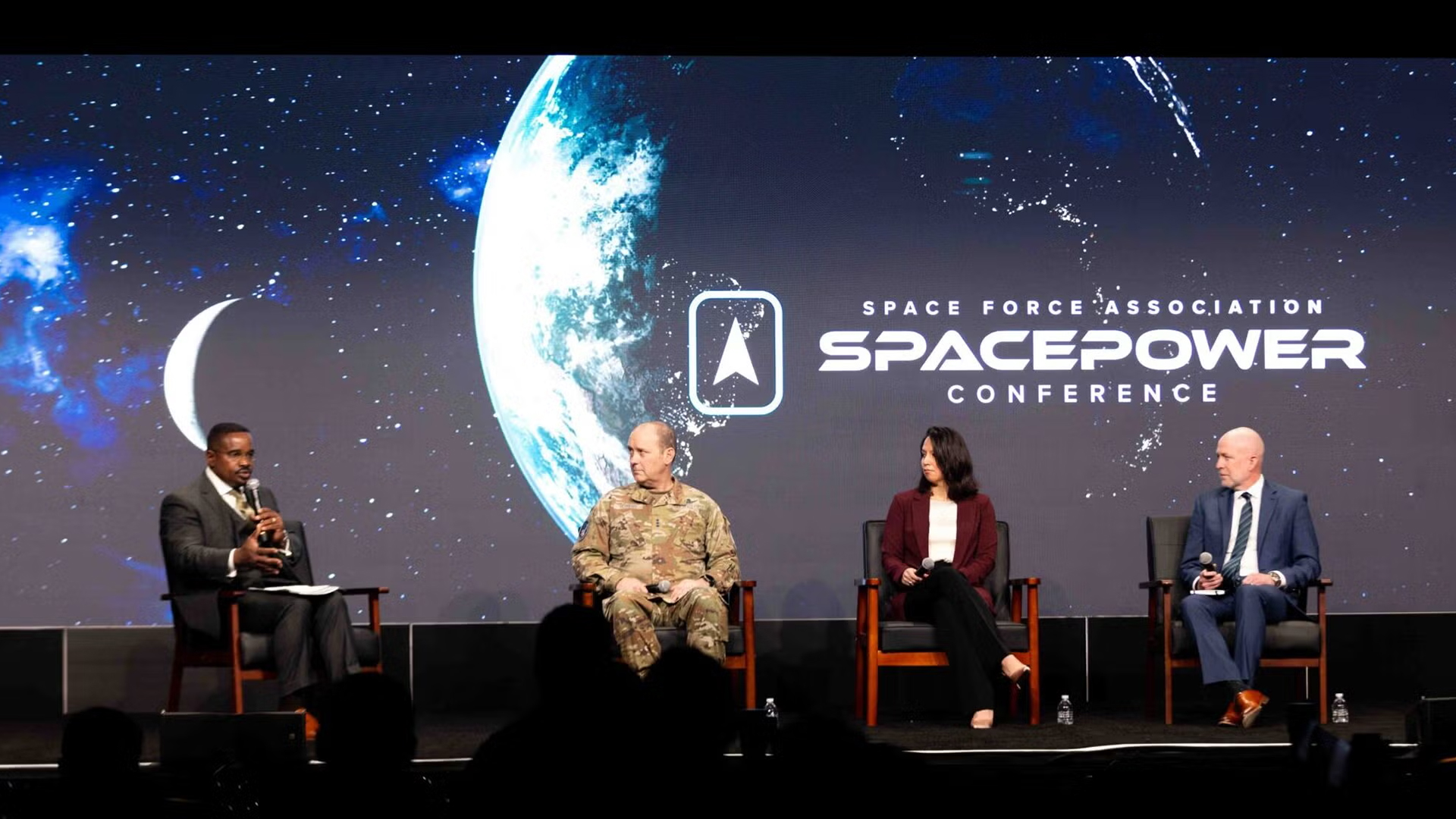
Space Force and Industry Partners Push Speed and Hybrid Architectures to Maintain Space Superiority
Via Satellite — During the recent Spacepower event, Lt. Gen. Douglas A. Schiess, Deputy Chief of Space Operations, described a new threat environment where the U.S. Space Force has to consider threats like hypersonics, fractional orbital vehicles, and direct ascent anti-satellite weapons. This evolved threat environment requires more resilient defenses.
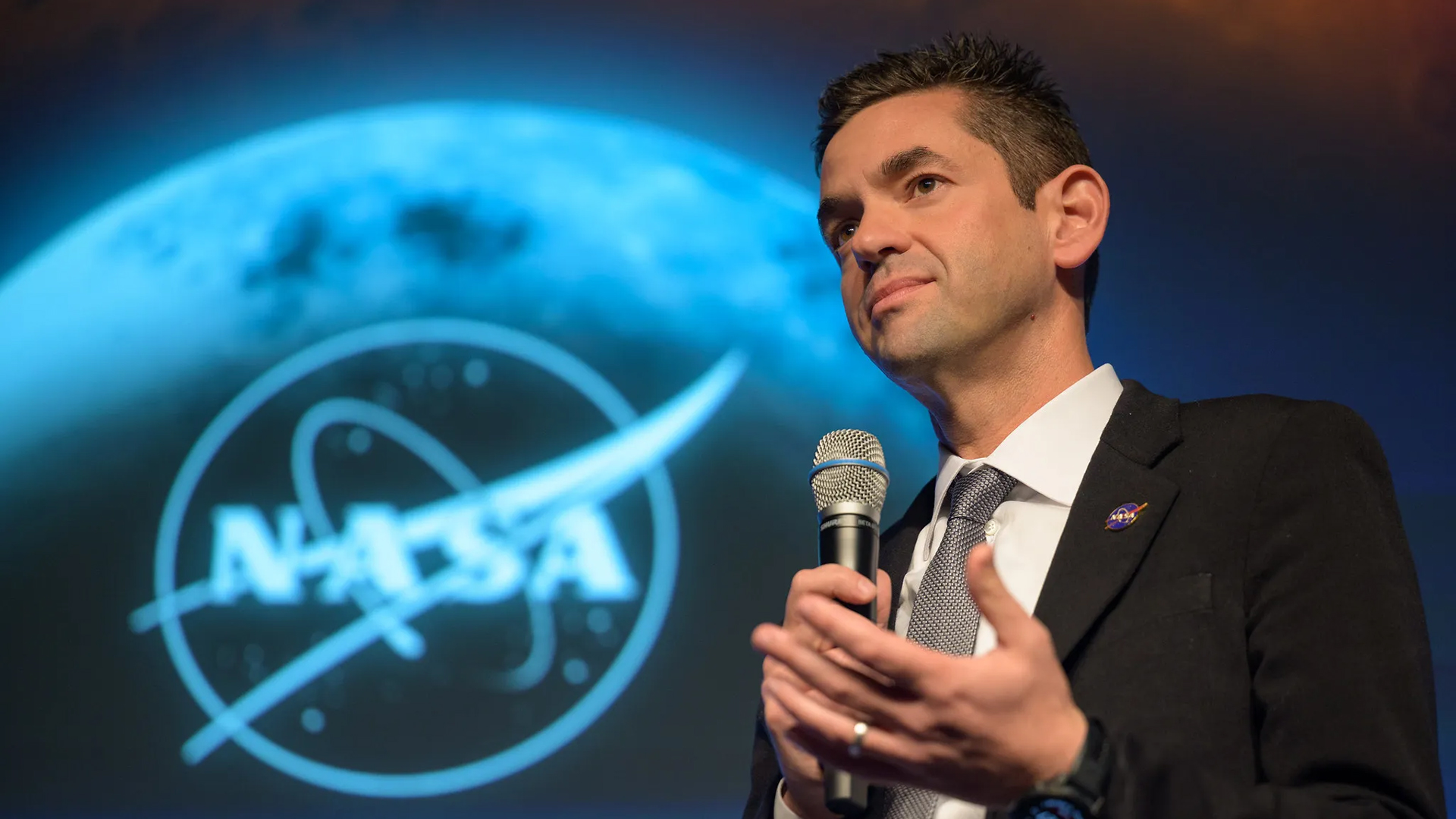
Isaacman Emphasizes Accelerating NASA Programs as he Takes Agency’s Reins
SpaceNews — New NASA Administrator Jared Isaacman said he wants the agency to move faster on key programs such as Artemis but acknowledged he needs time to get up to speed on NASA’s activities.
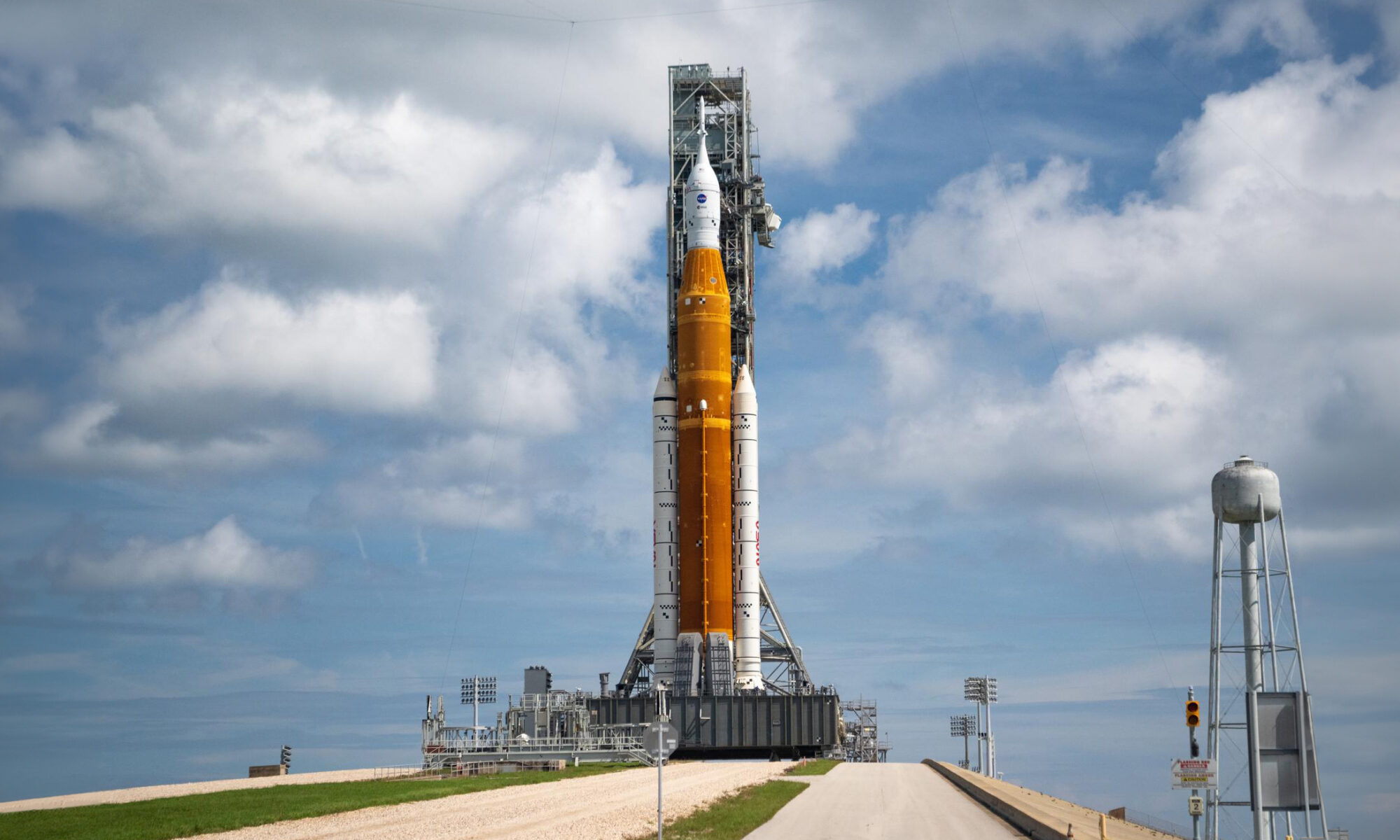
NASA Faces Pivotal Year Amid China’s Steady Advancements in Space
Aviation Week — NASA's 2026 priorities are launching Artemis II and working on successors to the ISS.
White House Issues Executive Order on Space Superiority
Aviation Week — By 2030, according to President Donald Trump’s administration, Washington will have developed new prototype missile warning capabilities, deployed a nuclear reactor on orbit and on the lunar surface, returned Americans to the Moon, and ensured U.S. dominance in the commercial space sector and in spectrum management—while also protecting the domain from on-orbit threats, including possibly nuclear weapons.
Space Force to focus training on ‘orbital warfare,’ joint integration
Breaking Defense — Gen. Gregory Gagnon, commander of Combat Forces Command, is prioritizing training Guardians, using both virtual environments and, in the future, a dedicated fleet of live satellites.
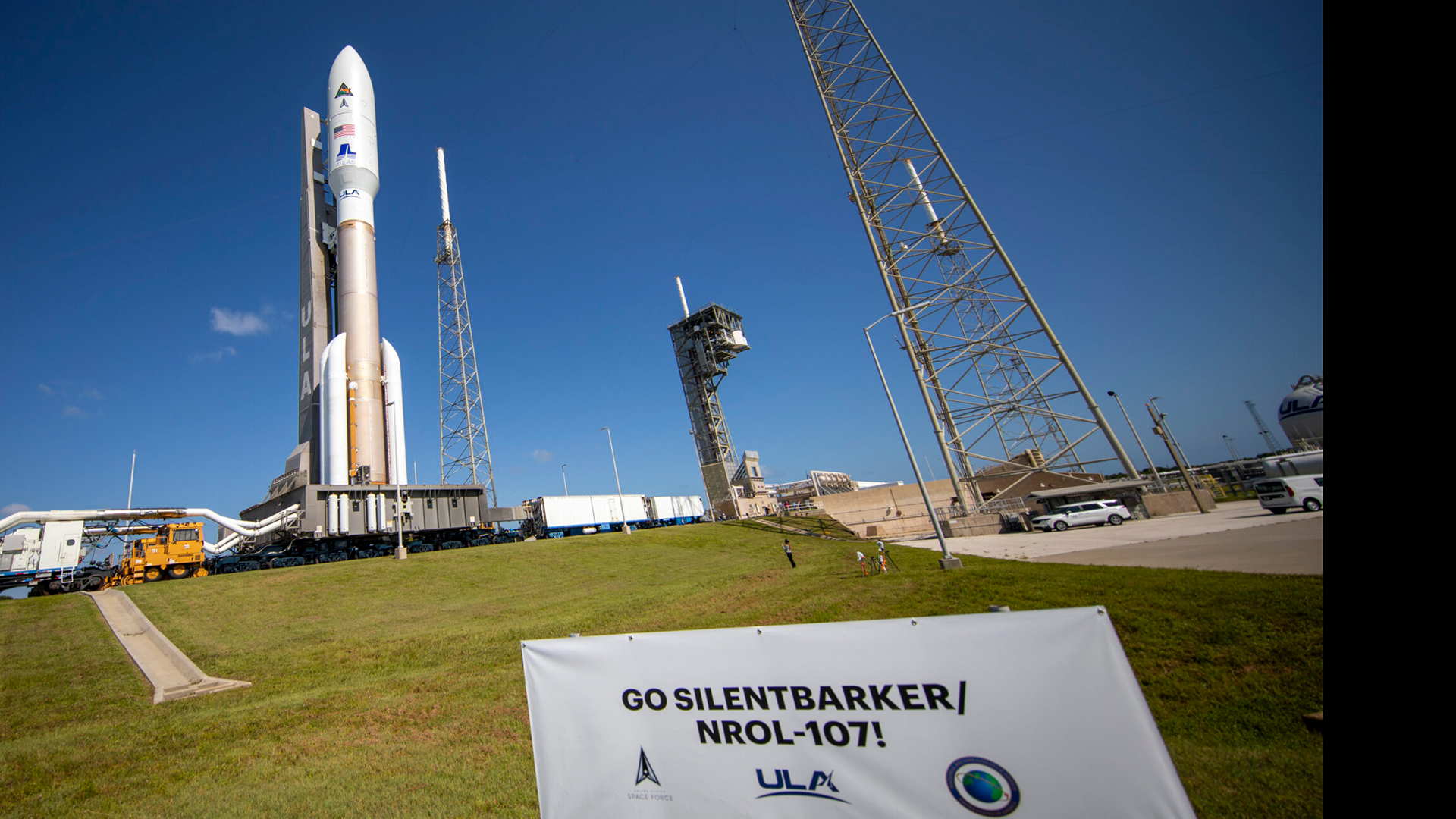
Space Force will not partner with NRO for next-generation surveillance satellites
Breaking Defense — The Space Force intends to go solo in developing a follow-on to the classified SILENTBARKER space surveillance constellation currently operated in tandem with the National Reconnaissance Office (NRO)