Space Force’s Commercial Reserve Fleet Moves Out of Pilot Phase

Air and Space Forces Magazine — The Space Force’s work to establish a pool of at-the-ready commercial satellite capacity during a crisis is moving out of the pilot phase as the service prepares to award its next batch of contracts in 2026. Participating companies get access to threat intelligence and will be included in training events and wargames.

White House Order Underlines Space Force’s Counterspace Mission

Air and Space Forces Magazine — A White House executive order, “Ensuring American Space Superiority,” calls for a 2028 deadline for NASA astronauts to return to the Moon; calls for U.S. space agencies to embrace technologies like nuclear propulsion; and pledges to attract at least $50 billion in additional investment to U.S. space markets over the next two years.

T-Minus Podcast: From Solstice to Satellites

The Dec. 22 episode of T-Minus podcast discussed DiskSat, the U.S. Space Force awarding Rocket Lab an $816 million prime contract, and the Space Development Agency making multiple awards to build 72 Tracking Layer satellites for Tranche 3.

Space Force sees budget, manpower boost as it marks year six

The Gazette — With the newly passed and signed National Defense Authorization Act, Congress increased the number of guardians the U.S. Space Force can employ from 9,800 in 2025 to 10,400. The service also got an additional $1.1 billion for research and development, boosting that piece of its budget up to about $16 billion.

Space Force wants advanced tech for space-based interceptors

DefenseNews — The U.S. Space Force is looking for advanced technologies for space-based interceptors that can intercept ballistic missiles during their boost phase inside the atmosphere, based on a recent Small Business Innovation Research (SBIR) solicitation. The problem with existing antimissile interceptors is that they are too big and expensive, according to the SBIR.

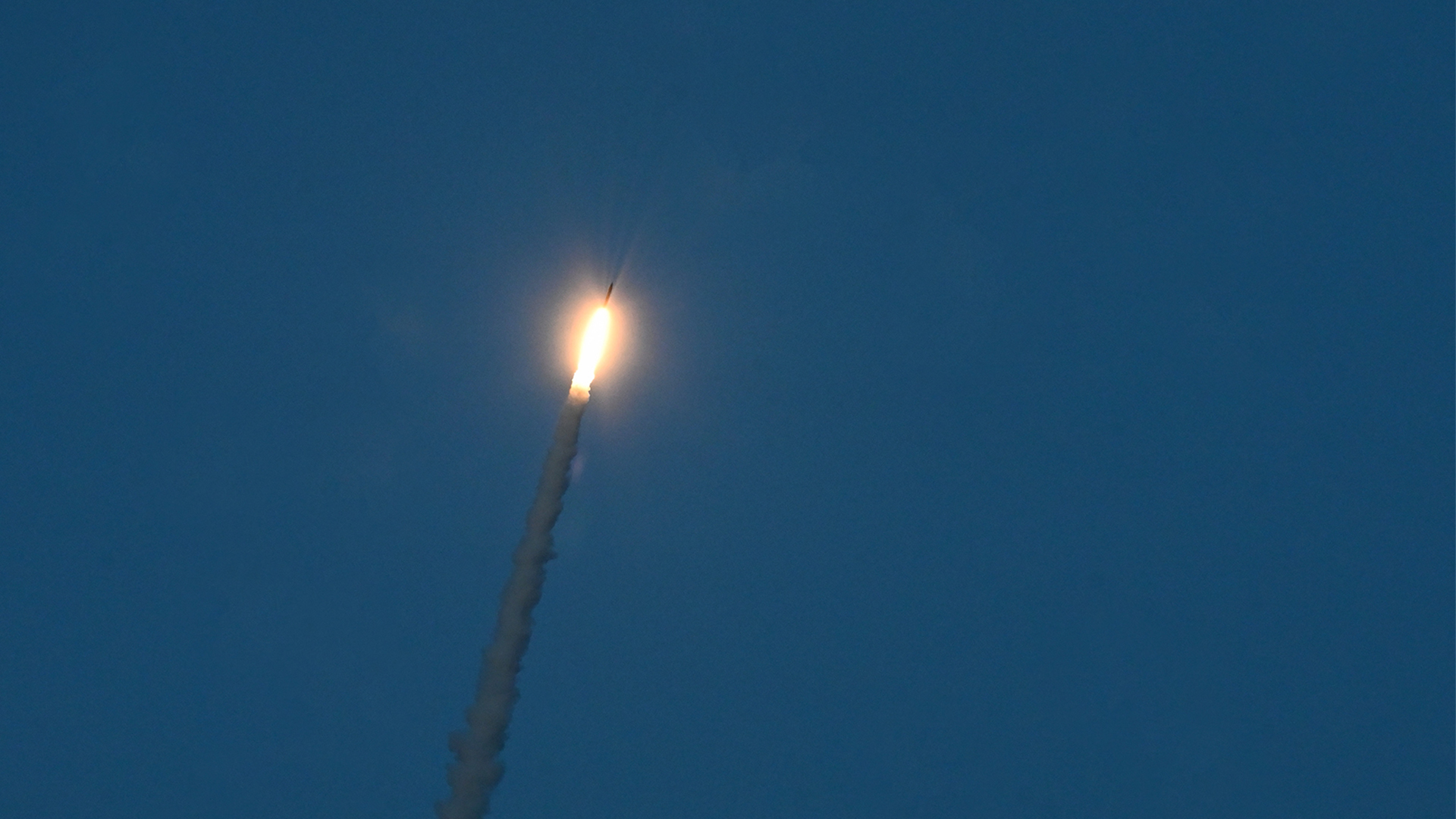
Rocket Lab launches 4 experimental ‘DiskSats’ for the US military

Space.com — Rocket Lab initially planned to launch the “Don’t Be Such a Square” mission in April 2026 but expedited it at the Space Force’s request, the company said. “With its ability to fly continuously with one face pointing at the Earth, the DiskSat can also have a very low drag, making them capable of very-low-altitude missions (less than 300 kilometers) such as those necessary for some Earth-observation missions,” said NASA.

Connect

Last updated on - December 22, 2025